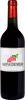
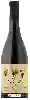
Winery Mas de RonnelSaint-Chinian
 Red wine



In the mouth this red wine is a powerful with a nice balance between acidity and tannins.
This wine generally goes well with beef, veal or pasta.

Taste structure of the Saint-Chinian from the Winery Mas de Ronnel
Light | Bold | |
Smooth | Tannic | |
Dry | Sweet | |
Soft | Acidic |
In the mouth the Saint-Chinian of Winery Mas de Ronnel in the region of Languedoc-Roussillon is a powerful with a nice balance between acidity and tannins.
Food and wine pairings with Saint-Chinian
Pairings that work perfectly with Saint-Chinian



Original food and wine pairings with Saint-Chinian
The Saint-Chinian of Winery Mas de Ronnel matches generally quite well with dishes of beef, pasta or veal such as recipes of spaghetti with beef balls, tuscan pastachute or white wine fondue.
Details and technical informations about Winery Mas de Ronnel's Saint-Chinian.
Discover the grape variety: Scheurebe
Aromatic, structured whites with lively acidity and a round mouth, featuring intense aromas of pink grapefruit, blackcurrant, passion fruit, white flowers and muscat notes. Made as aromatic dry wines (Trocken), off-dry (Kabinett, Spätlese) and especially sumptuous botrytised sweet wines (Auslese, Beerenauslese, Trockenbeerenauslese). Grown in Germany (Rheinhessen, Palatinate) and Austria. Created in 1916 by Georg Scheu in Alzey, a Riesling × Bukettrebe cross.
Last vintages of this wine
The best vintages of Saint-Chinian from Winery Mas de Ronnel are 2016, 2009
Informations about the Winery Mas de Ronnel
The Winery Mas de Ronnel is one of of the world's greatest estates. It offers 5 wines for sale in the of Languedoc-Roussillon to come and discover on site or to buy online.

The wine region of Languedoc-Roussillon
Largest single French vineyard, dominated by sunny, generous reds. Spicy Syrah, candied Grenache (ripe fruit, garrigue), structured Carignan, deep Mourvèdre, supple Cinsault. Stars: structured Corbières, Minervois, Faugères, Saint-Chinian; round Côtes-du-Roussillon. Legendary vins doux naturels: Banyuls and Maury (fortified Grenache) with notes of cocoa, fig, prune.
The word of the wine: Yeast
Micro-organisms at the base of all fermentative processes. A wide variety of yeasts live and thrive naturally in the vineyard, provided that treatments do not destroy them. Unfortunately, their replacement by laboratory-selected yeasts is often the order of the day and contributes to the standardization of the wine. Yeasts are indeed involved in the development of certain aromas.