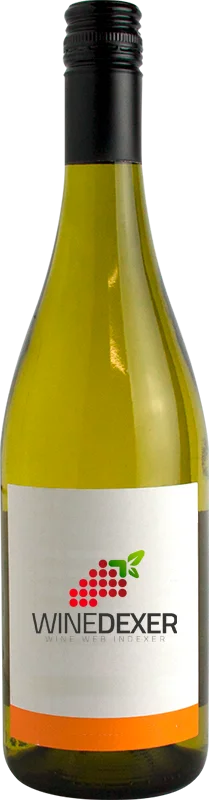
Winery Adega Cooperativa de VidigueiraAntão Vaz
 White wine



In the mouth this white wine is a powerful.
This wine generally goes well with pork, lean fish or shellfish.
The Antão Vaz of the Winery Adega Cooperativa de Vidigueira is in the top 20 of wines of Alentejo.

Taste structure of the Antão Vaz from the Winery Adega Cooperativa de Vidigueira
Light | Bold | |
Dry | Sweet | |
Soft | Acidic |
In the mouth the Antão Vaz of Winery Adega Cooperativa de Vidigueira in the region of Alentejano is a powerful.
Wine flavors and olphactive analysis




On the nose the Antão Vaz of Winery Adega Cooperativa de Vidigueira in the region of Alentejano often reveals types of flavors of earth, microbio or vegetal and sometimes also flavors of tree fruit, citrus fruit or tropical fruit.
Food and wine pairings with Antão Vaz
Pairings that work perfectly with Antão Vaz



Original food and wine pairings with Antão Vaz

The Antão Vaz of Winery Adega Cooperativa de Vidigueira matches generally quite well with dishes of pork, shellfish or pasta such as recipes of moist parmesan steak, pasta with mussels or pasta gratin.
Details and technical informations about Winery Adega Cooperativa de Vidigueira's Antão Vaz.
Discover the grape variety: Antão Vaz
Full-bodied, structured whites with a pale golden robe, ample palate and moderate acidity, with signature aromas of ripe tropical fruits (mango, passion fruit), mandarin zest, stone fruits (peach, apricot) and mineral notes. Sunny Mediterranean profile, fine potential for oak ageing. Pillar of the great whites of Alentejo DOC, vinified as a single variety or blended with Roupeiro and Arinto. Indigenous Portuguese white variety from Alentejo.
Last vintages of this wine
The best vintages of Antão Vaz from Winery Adega Cooperativa de Vidigueira are 2024, 2023, 2021, 2020 and 2019.
Informations about the Winery Adega Cooperativa de Vidigueira
The Winery Adega Cooperativa de Vidigueira is one of of the world's greatest estates. It offers 71 wines for sale in the of Alentejo to come and discover on site or to buy online.

The wine region of Alentejo
Sun and generosity of southern Portugal, accessible, sun-soaked wines. Fleshy, round reds with signature notes of ripe black fruit (blackberry, plum), sweet spices, cocoa and balsamic notes, velvety tannins. Blends of Aragonez (Tempranillo), fleshy Trincadeira, colourful Alicante Bouschet and fragrant Touriga Nacional. Tropical Antão Vaz whites (peach, mango), lively Arinto.
The wine region of Alentejano
Star of southern Portugal's great reds, sunny and opulent wines. Typical blends: round fruity Aragonez (Tempranillo), spicy Trincadeira, Touriga Nacional (black fruits, violet), deep teinturier Alicante Bouschet, juicy Castelão. Fleshy reds with notes of plum, black cherry, cocoa and sweet spices, melted tannins. Ample fresh Antão Vaz and Arinto whites.
The word of the wine: Oenology
The science of the oenologist, which is essentially concerned with the elaboration and maturation of wines.