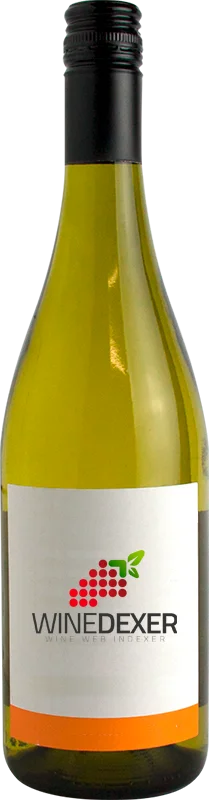
Winery MannsSolaris Shinano Riesling
 White wine



This wine generally goes well with pork, vegetarian or poultry.
Wine flavors and olphactive analysis

Food and wine pairings with Solaris Shinano Riesling
Pairings that work perfectly with Solaris Shinano Riesling



Original food and wine pairings with Solaris Shinano Riesling



The Solaris Shinano Riesling of Winery Manns matches generally quite well with dishes of pork, rich fish (salmon, tuna etc) or spicy food such as recipes of homemade burger, tuna, goat cheese and mustard pie or caramelized lamb mice.
Details and technical informations about Winery Manns's Solaris Shinano Riesling.
Discover the grape variety: Riesling
White Riesling is a grape variety that originated in France (Alsace). It produces a variety of grape specially used for the elaboration of wine. It is rare to find this grape to eat on our tables. This variety of grape is characterized by small bunches, and small grapes. White Riesling can be found in many vineyards: Alsace, Loire Valley, Languedoc & Roussillon, Lorraine, Provence & Corsica, Rhone Valley, Savoie & Bugey, Beaujolais, South West.
Last vintages of this wine
The best vintages of Solaris Shinano Riesling from Winery Manns are 2012, 2015, 2018, 2016 and 0.
Informations about the Winery Manns
The Winery Manns is one of of the world's greatest estates. It offers 75 wines for sale in the of Yamanashi-ken to come and discover on site or to buy online.

The wine region of Yamanashi-ken
Yamanashi is the first Japanese Geographical Indication (GI) for wine. Established in 2013, it is situated in the prefecture of the same name. Yamanashi is promoted as the birthplace of Japanese wine production. The most prominent Grape varieties grown here are the indigenous vitis vinefera white grape variety Koshu, and the Japanese-bred pale red Hybrid Muscat Bailey A.
The word of the wine: Baco 22A
A white grape variety resulting from the hybridization of the folle blanche and the noah. It is the only hybrid to remain authorized in a French appellation vineyard, that of Armagnac, where it thrives in particular on the tawny sands of Bas-Armagnac. When distilled, its wine produces round, smooth and aromatic eaux-de-vie with hints of ripe fruit.