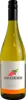
Winery Malé divyAltenberg Silvánske Zelené
 White wine



This wine generally goes well with poultry, lean fish or shellfish.
Food and wine pairings with Altenberg Silvánske Zelené
Pairings that work perfectly with Altenberg Silvánske Zelené



Original food and wine pairings with Altenberg Silvánske Zelené


The Altenberg Silvánske Zelené of Winery Malé divy matches generally quite well with dishes of shellfish, spicy food or poultry such as recipes of mi sao, lentil soup with carrots and coconut milk or leek pie.
Details and technical informations about Winery Malé divy's Altenberg Silvánske Zelené.
Discover the grape variety: Verdesse
Verdesse is a white grape variety, grown on an area of about 5 ha. It is found particularly in the Grésivaudan and Drac valleys. It is also called verdêche, étraire blanche de Grenoble or verdasse. The leaves are lobed and dark green in colour. Long, sturdy stalks carry the bunches. A juicy and sweet flesh is found under the white skin, turning amber red, of the mature berries. The berries are medium-sized and ellipsoid in shape. To be productive and vigorous, the variety is pruned rather long. Verdesse is not very resistant to mildew and powdery mildew, but it is very resistant to grey rot. A particularly alcoholic wine is produced from this variety. It has a pleasant flavour and a vegetal and floral scent. This wine does not keep long, and is best consumed during the first few years.
Last vintages of this wine
The best vintages of Altenberg Silvánske Zelené from Winery Malé divy are 0
Informations about the Winery Malé divy
The Winery Malé divy is one of of the world's greatest estates. It offers 19 wines for sale in the of Malokarpatská to come and discover on site or to buy online.

The wine region of Malokarpatská
The wine region of Malokarpatská of Slovak Republic. Wineries and vineyards like the Domaine Rariga or the Domaine Vladimir Valenta produce mainly wines white, red and pink. The most planted grape varieties in the region of Malokarpatská are Cabernet-Sauvignon, Riesling and Gewurztraminer, they are then used in wines in blends or as a single variety. On the nose of Malokarpatská often reveals types of flavors of tree fruit, apples or citrus fruit and sometimes also flavors of non oak, earth or microbio.
The word of the wine: Alcoholic fermentation
Transformation of sugars into alcohol under the effect of yeast. These yeasts exist in their natural state in the vineyards and in the cellars. Artificial seeding with selected yeasts is however very often practiced.