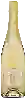
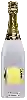
The Winery Luc Belaire of Provence

Winery Luc Belaire
The winery offers 6 different wines
3.8


Note - 1Note - 1Note - 1Note - 0.5Note - 0
Its wines get an average rating of 3.8.
It is ranked in the top 340 of the estates of Provence.
It is located in Provence
Find the Winery Luc Belaire on Facebook and on Twitter

The Winery Luc Belaire is one of the best wineries to follow in Provence.. It offers 6 wines for sale in of Provence to come and discover on site or to buy online.

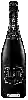
Top Winery Luc Belaire wines

Looking for the best Winery Luc Belaire wines in Provence among all the wines in the region? Check out our tops of the best red, white or effervescent Winery Luc Belaire wines. Also find some food and wine pairings that may be suitable with the wines from this area. Learn more about the region and the Winery Luc Belaire wines with technical and enological descriptions.

The top sparkling wines of Winery Luc Belaire

Food and wine pairings with a sparkling wine of Winery Luc Belaire

How Winery Luc Belaire wines pair with each other generally quite well with dishes of pork, rich fish (salmon, tuna etc) or vegetarian such as recipes of veal cutlets with savoy tomme, round zucchini stuffed with tuna or broccoli and blue cheese quiche without pastry.

Organoleptic analysis of sparkling wines of Winery Luc Belaire

On the nose the sparkling wine of Winery Luc Belaire. often reveals types of flavors of pineapple, grapefruit or citrus and sometimes also flavors of apples, peach or lime.

The best vintages in the sparkling wines of Winery Luc Belaire

  • 2016With an average score of 4.30/5
  • 2011With an average score of 4.10/5
  • N.V.With an average score of 3.90/5
  • 0With an average score of 3.10/5

The grape varieties most used in the sparkling wines of Winery Luc Belaire.

  • Chardonnay
  • Cinsault
  • Shiraz/Syrah
  • Grenache
  • Colombard
  • Ugni blanc

Discovering the wine region of Provence

Provence is a wine region in the far southeast of France, best known for the quality (and quantity) of its rosé wines and for its Warm, mild Climate. The modernization that is taking place in many of the traditional wine regions of southern France has not yet taken place to the same extent in Provence, but there are Clear signs of change. The region's Grape varieties, in particular, have come under scrutiny in recent decades. Traditional varieties such as Carignan, Barbaroux (Barbarossa from Sardinia) and Calitor are being replaced by more commercially viable varieties such as Grenache, Syrah and even Cabernet Sauvignon.

The term "Varietal improvers" is gaining ground in Provence, as it is in the neighbouring Languedoc-Roussillon. The most successful local varieties, Mourvèdre, Tibouren and Vermentino (known locally as Rolle), have remained in favor, proving their value in Provence wines, in red, rosé and white respectively. The Vineyards of Provence cover an area of France's southeastern coastline that measures about 200 kilometers from east to west. In this definitely Mediterranean climate - no Provencal vineyard is more than 55 km from the Mediterranean - the vines enjoy about 3,000 hours of sunshine a year, as well as an average annual temperature of 14.

5°C.

Discover other wineries and winemakers neighboring the Winery Luc Belaire

Planning a wine route in the of Provence? Here are the wineries to visit and the winemakers to meet during your trip in search of wines similar to Winery Luc Belaire.

Discover the grape variety: Colombard

Colombard is one of the oldest grape varieties in the Charentes. This golden white grape variety is a cross between Chenin and Gouais. The young leaves of colombard are yellow with bronze patches. The adult leaves may be three-lobed or whole, depending on the variety. Its branches are cottony. The bunches of this variety are thick and cylindrical. Its elliptical berries are medium-sized. They change color until they ripen, ranging from greenish white to golden yellow. Colombard is associated with an average budding. It is particularly susceptible to leafhoppers, grape worms, mites, mildew, powdery mildew and gray mold. It is also sensitive to water stress, but is not very sensitive to wind. It ripens late in the second half of the year. There are a dozen approved clones of Colombard, the best known of which are 608, 607 and 606. This variety produces a full-bodied, fine white wine. Aromas of lime, nectarine, boxwood, citrus and exotic fruits are released.