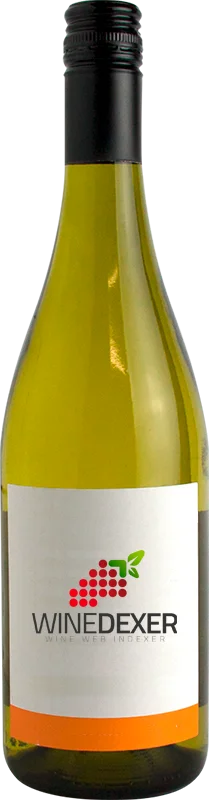
Winery Lost MaplesMuscat Canelli
 White wine



This wine generally goes well with spicy food and sweet desserts.
Wine flavors and olphactive analysis


On the nose the Muscat Canelli of Winery Lost Maples in the region of Texas often reveals types of flavors of earth, tree fruit or citrus fruit and sometimes also flavors of floral.
Food and wine pairings with Muscat Canelli
Pairings that work perfectly with Muscat Canelli


Original food and wine pairings with Muscat Canelli
The Muscat Canelli of Winery Lost Maples matches generally quite well with dishes of spicy food or sweet desserts such as recipes of steak tartare or very simple muffins.
Details and technical informations about Winery Lost Maples's Muscat Canelli.
Discover the grape variety: Cal 6-04
Interspecific crossing obtained in Switzerland by Valentin Blattner between Riesling x Sauvignon Blanc and a variety whose name has not yet been communicated and which is resistant to the main cryptogamic diseases. VB Cal 6-04 can be found in Switzerland, Belgium, Germany, etc. In France, a few plantations have been carried out and it is registered in the Official Catalogue of wine grape varieties under the name Sauvignac liste A.
Last vintages of this wine
The best vintages of Muscat Canelli from Winery Lost Maples are 2013, 2017, 0, 2015
Informations about the Winery Lost Maples
The Winery Lost Maples is one of of the world's greatest estates. It offers 10 wines for sale in the of Texas to come and discover on site or to buy online.

The wine region of Texas
Texas is the largest state in the United States of America and one of the most productive viticultural states. Covering 696,000 km² (268,000 square miles) between latitudes 25-36°N, this hot, Dry state is home to a range of mesoclimates suitable for viticulture in the deserts, mountains, lakes and plains of Texas. The main Grape varieties grown in Texas are Cabernet Sauvignon, Chardonnay, Chenin Blanc and (despite the hot conditions) Sauvignon Blanc. Generally speaking, Texas viticulture is divided into three main regions: NorthCentral, Southeast and Trans-Pecos.
The word of the wine: Smoked white
See sauvignon.