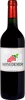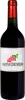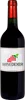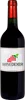
Llano Estacado WineryRaider Red
 Red wine


This wine is a blend of 3 varietals which are the Cabernet-Sauvignon, the Malbec and the Merlot.
This wine generally goes well with poultry, beef or game (deer, venison).

Food and wine pairings with Raider Red
Pairings that work perfectly with Raider Red



Original food and wine pairings with Raider Red



The Raider Red of Llano Estacado Winery matches generally quite well with dishes of beef, lamb or game (deer, venison) such as recipes of beef with balsamic sauce, rolled lamb shoulder with herbs or duck breast with balsamic vinegar.
Details and technical informations about Llano Estacado Winery's Raider Red.
Discover the grape variety: Cabernet-Sauvignon
Structured, tannic reds, deeply coloured, with aromas of blackcurrant, blackberry, cedar, tobacco and graphite, underpinned by firm acidity and fine ageing potential. Cornerstone of the great Médoc estates (Pauillac, Saint-Estèphe, Saint-Julien) and signature of Napa Valley, Coonawarra and Maipo. The world's most planted red variety, a natural cross of Cabernet Franc x Sauvignon Blanc born in Bordeaux.
Last vintages of this wine
The best vintages of Raider Red from Llano Estacado Winery are 0
Informations about the Llano Estacado Winery
The Llano Estacado Winery is one of wineries to follow in Texas.. It offers 90 wines for sale in the of Texas to come and discover on site or to buy online.

The wine region of Texas
5th US producer with a Mediterranean style suited to the heat. Signature Tempranillo as red: fleshy and fruity with notes of ripe cherry, plum and sweet spices, round tannins. Also dense Tannat, spicy Mourvèdre, juicy Sangiovese, peppery Syrah. Suited aromatic whites: full Viognier (apricot, flowers), saline Vermentino, lively Albariño.
The word of the wine: Draft liquor (champagne)
After blending, the wine is bottled with a liqueur de tirage (a mixture of sugar and wine) and a yeast (selected yeasts). The yeast attacks the sugar and creates carbon dioxide. The fermentation, which lasts about two months, is prolonged by an ageing period (15 months minimum in total). The bottle is capped (some rare vintages are capped with a staple and a cork).