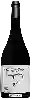
Llano Estacado WinerySignature Series Shiraz
 Red wine



This wine generally goes well with beef, lamb or mature and hard cheese.

Wine flavors and olphactive analysis



On the nose the Signature Series Shiraz of Llano Estacado Winery in the region of Texas often reveals types of flavors of oak, spices or black fruit.
Food and wine pairings with Signature Series Shiraz
Pairings that work perfectly with Signature Series Shiraz



Original food and wine pairings with Signature Series Shiraz

The Signature Series Shiraz of Llano Estacado Winery matches generally quite well with dishes of beef, lamb or spicy food such as recipes of beef luc lake, moroccan lamb shoulder or lamb tagine with honey and onions.
Details and technical informations about Llano Estacado Winery's Signature Series Shiraz.
Discover the grape variety: Béquignol
Deeply coloured, structured reds with a sustained purple robe, firm tannins, an ample palate and moderate acidity; signature aromas of dark fruits (blackberry, blackcurrant), spices and rustic notes from Aveyron. Full-bodied, age-worthy style. Preserved in a few heritage plots of the IGP Aveyron, among the ancient South-West varieties studied for their genetic interest. Indigenous French black grape from the South-West, grown in Aveyron and the Lot.
Last vintages of this wine
The best vintages of Signature Series Shiraz from Llano Estacado Winery are 2016, 2014, 0, 2017
Informations about the Llano Estacado Winery
The Llano Estacado Winery is one of of the world's great estates. It offers 90 wines for sale in the of Texas to come and discover on site or to buy online.

The wine region of Texas
5th US producer with a Mediterranean style suited to the heat. Signature Tempranillo as red: fleshy and fruity with notes of ripe cherry, plum and sweet spices, round tannins. Also dense Tannat, spicy Mourvèdre, juicy Sangiovese, peppery Syrah. Suited aromatic whites: full Viognier (apricot, flowers), saline Vermentino, lively Albariño.
The word of the wine: Bâtonnage
A very old technique that has come back into fashion in modern oenology, which consists of shaking the white wine in the barrels at the end of fermentation, or after fermentation, with a stick or a flail, in order to suspend the fine lees composed of yeasts at the end of their activity. This process is sometimes used for red wines.