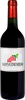
Les Vignerons de CabriéLes Sirenes de Versailles Les Grians Nobles
 Red wine
This wine generally goes well with beef, veal or pasta.
Food and wine pairings with Les Sirenes de Versailles Les Grians Nobles
Pairings that work perfectly with Les Sirenes de Versailles Les Grians Nobles



Original food and wine pairings with Les Sirenes de Versailles Les Grians Nobles
The Les Sirenes de Versailles Les Grians Nobles of Les Vignerons de Cabrié matches generally quite well with dishes of beef, pasta or veal such as recipes of pasticcio (greece), pasta alla norma or provencal veal tendrons.
Details and technical informations about Les Vignerons de Cabrié's Les Sirenes de Versailles Les Grians Nobles.
Discover the grape variety: Dureza
This grape variety is said to originate in the north of the Ardèche department, but we find it very similar to Duras from the Gaillac region (Tarn). D.N.A. analyses have shown that Syrah is related to Mondeuse Blanche (mother) and Dureza (father). Italian and Swiss researchers have also suggested that Dureza, which is now endangered, is a brother or sister of the Italian variety Teroldego and that Pinot Noir is a close relative. Dureza is registered in the Official Catalogue of wine grape varieties, list A1. - Synonym: duré or duret (for all the synonyms of the grape varieties, click here!).
Informations about the Les Vignerons de Cabrié
The Les Vignerons de Cabrié is one of of the world's great estates. It offers 31 wines for sale in the of Languedoc to come and discover on site or to buy online.

The wine region of Languedoc
Languedoc (formerly Coteaux du Languedoc) is a key appellation used in the Languedoc-Roussillon wine region of southern France. It covers Dry table wines of all three colors (red, white and rosé) from the entire region, but leaves Sweet and Sparkling wines to other more specialized appellations. About 75% of all Languedoc wines are red, with the remaining 25% split roughly down the middle between whites and rosés. The appellation covers most of the Languedoc region and almost a third of all the vineyards in France.
The wine region of Languedoc-Roussillon
Languedoc (formerly Coteaux du Languedoc) is a key appellation used in the Languedoc-Roussillon wine region of southern France. It covers Dry table wines of all three colors (red, white and rosé) from the entire region, but leaves Sweet and Sparkling wines to other more specialized appellations. About 75% of all Languedoc wines are red, with the remaining 25% split roughly down the middle between whites and rosés. The appellation covers most of the Languedoc region and almost a third of all the vineyards in France.
The word of the wine: Trader-breeder
In the major wine regions, the négociant does not simply buy and resell the wines but, from very young wines, carries out all the maturing operations until bottling.