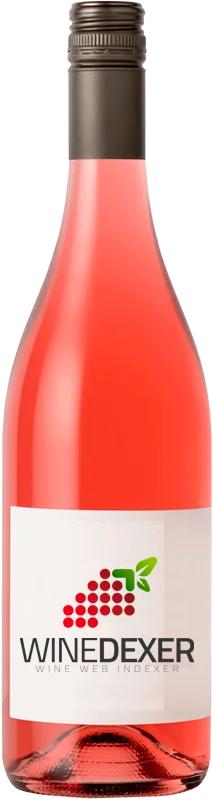
Winery Club des SommeliersCorse
 Pink wine


This wine generally goes well with pork, poultry or beef.

Food and wine pairings with Corse
Pairings that work perfectly with Corse



Original food and wine pairings with Corse



The Corse of Winery Club des Sommeliers matches generally quite well with dishes of beef, veal or pork such as recipes of oxtail confit in red wine, tunisian pasta or home-made coq au vin.
Details and technical informations about Winery Club des Sommeliers's Corse.
Discover the grape variety: Sangiovese
Firm, upright reds with precise acidity and angular tannins, showing aromas of sour cherry, plum, dried herbs, leather, black tea and balsamic notes. Characteristically bitter, savoury finish. Star of Chianti Classico DOCG, Brunello di Montalcino DOCG, Vino Nobile di Montepulciano DOCG and Morellino di Scansano. Italy's most planted variety, a descendant of Ciliegiolo × Calabrese di Montenuovo.
Last vintages of this wine

The best vintages of Corse from Winery Club des Sommeliers are 2014, 2019, 2018, 2015 and 2013.
Informations about the Winery Club des Sommeliers
The Winery Club des Sommeliers is one of wineries to follow in Vin de Corse.. It offers 364 wines for sale in the of Vin de Corse to come and discover on site or to buy online.

The wine region of Vin de Corse
Regional AOC covering the Île de Beauté outside the communal AOCs, Mediterranean climate on granite and schist. Signature native trio. Niellucciu as deep red (cousin of Sangiovese): black cherry, blackberry, garrigue, maquis, leather and spices, firm tannins. Sciaccarellu as fine peppery red (strawberry, pepper, herbs), also great rosé.
The wine region of Corsica
Mediterranean island wine region with a triple native face, ~8,000 ha. Niellucciu signature (cousin of Sangiovese) dominates Patrimonio: structured reds with signature notes of black cherry, garrigue, maquis, spices and leather, firm tannins and sun-drenched mouth. Sciaccarellu (min. 60% in Ajaccio) lighter and peppery (strawberry, wild herbs).
The word of the wine: Wiring
Action of periodically filling barrels containing wine, in order to offset evaporation and maintain a maximum level. The topping up allows to avoid the phenomenon of oxidation.