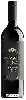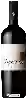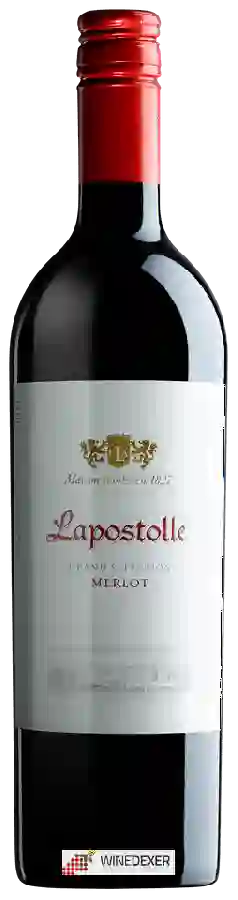
Winery LapostolleGrand Selection Merlot
 Red wine



This wine is a blend of 2 varietals which are the Petit Verdot and the Merlot.
In the mouth this red wine is a powerful.
This wine generally goes well with beef, veal or lamb.

Taste structure of the Grand Selection Merlot from the Winery Lapostolle
Light | Bold | |
Smooth | Tannic | |
Dry | Sweet | |
Soft | Acidic |
In the mouth the Grand Selection Merlot of Winery Lapostolle in the region of Central Valley is a powerful.
Wine flavors and olphactive analysis



On the nose the Grand Selection Merlot of Winery Lapostolle in the region of Central Valley often reveals types of flavors of black fruit.
Food and wine pairings with Grand Selection Merlot
Pairings that work perfectly with Grand Selection Merlot



Original food and wine pairings with Grand Selection Merlot
The Grand Selection Merlot of Winery Lapostolle matches generally quite well with dishes of beef, lamb or veal such as recipes of beef luc lake, leg of lamb bravado in the oven or cocotte chicken roulades.
Details and technical informations about Winery Lapostolle's Grand Selection Merlot.
Discover the grape variety: Petit Verdot
Dark, full-bodied reds with tight tannins and inky colour, showing aromas of blackberry, violet, gentle spice, liquorice and mentholated balsamic notes. Contributes colour, structure and aromatic freshness to great Médoc blends (Palmer, Léoville-Las Cases) where it remains a minority. Also vinified as a single variety in Spain (La Mancha), California, Australia and Argentina. A late-ripening Bordeaux variety.
Last vintages of this wine
The best vintages of Grand Selection Merlot from Winery Lapostolle are 0, 2015
Informations about the Winery Lapostolle
The Winery Lapostolle is one of of the world's great estates. It offers 65 wines for sale in the of Rapel Valley to come and discover on site or to buy online.

The wine region of Rapel Valley
Vast central Chilean valley, ~25% of national output. Carmenère, emblem of Chile: dense reds with signature notes of blackberry, plum, green pepper, coffee, cocoa and spice, round tannins — a grape rediscovered here in 1994. Also firm Cabernet Sauvignon (blackcurrant, eucalyptus), supple Merlot, peppery Syrah. Encompasses Cachapoal to the north (cooler, higher altitude) and Colchagua to the south (warm, fleshy stars).
The wine region of Central Valley
Heart of modern Chilean wine: structured, sunny reds, dense, blackcurranty Cabernet Sauvignon from Maipo (Chilean cradle of the grape), signature Carménère with notes of ripe pepper, black fruit and sweet spices from Colchagua, supple Merlot and deep Syrah. Round Chardonnay whites and lively, sharp Sauvignon. Mediterranean climate, 400 km between Andes and Pacific. Star sub-regions: Maipo, Cachapoal, Colchagua, Curicó, Maule.
The word of the wine: Girl
Equivalent of the Lyon pot with a capacity of 29 cl.