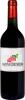
Winery La RasennaPetit Verdot
 Red wine



In the mouth this red wine is a powerful.
This wine generally goes well with poultry, beef or veal.
Taste structure of the Petit Verdot from the Winery La Rasenna
Light | Bold | |
Smooth | Tannic | |
Dry | Sweet | |
Soft | Acidic |
In the mouth the Petit Verdot of Winery La Rasenna in the region of Lazio is a powerful.
Food and wine pairings with Petit Verdot
Pairings that work perfectly with Petit Verdot



Original food and wine pairings with Petit Verdot

The Petit Verdot of Winery La Rasenna matches generally quite well with dishes of beef, pasta or veal such as recipes of quick and easy monkfish tail, awara broth or veal tagine with artichokes and lemons.
Details and technical informations about Winery La Rasenna's Petit Verdot.
Discover the grape variety: Petit Verdot
Petit Verdot noir is a grape variety that originated in France (southwest). It produces a variety of grape specially used for wine making. It is rare to find this grape to eat on our tables. This variety of grape is characterized by small bunches and small grapes. Petit Verdot noir can be found in several vineyards: South-West, Languedoc & Roussillon, Cognac, Bordeaux, Rhone valley, Provence & Corsica, Loire valley, Savoie & Bugey, Beaujolais, Armagnac.
Last vintages of this wine
The best vintages of Petit Verdot from Winery La Rasenna are 2014, 2008, 0, 2012 and 2015.
Informations about the Winery La Rasenna
The Winery La Rasenna is one of of the world's greatest estates. It offers 20 wines for sale in the of Lazio to come and discover on site or to buy online.

The wine region of Lazio
Lazio is a region in CentralItaly, where the ancient capital of Rome is located. The region's reputation is based primarily on its white wines, the main varieties of which are Trebbiano, Malvasia di Candia and Malvasia Puntinata. Traditionally, these wines were fat, Round, abboccato and intended for immediate consumption. Today, the styles are lighter, drier and crisper thanks to modern winemaking methods.
The word of the wine: Disgorging (champagne)
This is the evacuation of the deposit formed by the yeasts during the second fermentation in the bottle, by opening the bottle. The missing volume is completed with the liqueur de dosage - a mixture of wine and cane sugar - before the final cork is placed. For some years now, some producers have been replacing this sugar with rectified concentrated musts (concentrated grape juice) which give excellent results. A too recent dosage (less than three months) harms the gustatory harmony of the champagne.