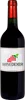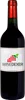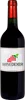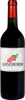
Winery La Collina del TesoroRoserosse
 Red wine


In the mouth this red wine is a powerful.
This wine generally goes well with beef, game (deer, venison) or lamb.

Taste structure of the Roserosse from the Winery La Collina del Tesoro
Light | Bold | |
Smooth | Tannic | |
Dry | Sweet | |
Soft | Acidic |
In the mouth the Roserosse of Winery La Collina del Tesoro in the region of Emilia-Romagna is a powerful.
Food and wine pairings with Roserosse
Pairings that work perfectly with Roserosse



Original food and wine pairings with Roserosse

The Roserosse of Winery La Collina del Tesoro matches generally quite well with dishes of beef, pasta or lamb such as recipes of beef kidney, pasta with broccoli or mathieu's lamb tagine.
Details and technical informations about Winery La Collina del Tesoro's Roserosse.
Discover the grape variety: Alvarinho
Lively, aromatic whites with cutting acidity and a slender mouth, featuring intense aromas of citrus, white peach, apricot, white flowers, passion fruit and iodised Atlantic saline notes. Tonic, long finish. The absolute star of the Monção e Melgaço sub-region (Vinho Verde DOC), it signs the finest Portuguese Vinho Verde. Also made as a single variety in the Douro. The Portuguese name for Galician Albariño, native to the northwest Iberian peninsula.
Last vintages of this wine

The best vintages of Roserosse from Winery La Collina del Tesoro are 2015, 0
Informations about the Winery La Collina del Tesoro
The Winery La Collina del Tesoro is one of of the world's greatest estates. It offers 9 wines for sale in the of Emilia-Romagna to come and discover on site or to buy online.

The wine region of Emilia-Romagna
Kingdom of Lambrusco: fresh, fruity sparkling reds (blackberry, cherry, violet), from gourmet dry to convivial off-dry, perfect with local charcuterie. World's best-selling sparkling wine on the Emilia side (Sorbara, Grasparossa, Salamino). East, Romagna: supple fruity Sangiovese, Albana (Italy's 1st white DOCG, 1987) ample and almondy. Also red Gutturnio and white Pignoletto.
The word of the wine: Hat
Solid part (marc), composed of pips and skins (sometimes of the stalk), which forms at the top of the tank during fermentation. The pigeage consists in breaking this cap to put back in suspension these elements and to favour the exchanges between the juice and the skins.