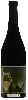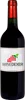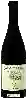
La Cave des NomadesLe Pirate Qui Chante
 Red wine


In the mouth this red wine is a powerful.
This wine generally goes well with poultry, beef or lamb.
Taste structure of the Le Pirate Qui Chante from the La Cave des Nomades
Light | Bold | |
Smooth | Tannic | |
Dry | Sweet | |
Soft | Acidic |
In the mouth the Le Pirate Qui Chante of La Cave des Nomades in the region of Languedoc-Roussillon is a powerful.
Wine flavors and olphactive analysis

Food and wine pairings with Le Pirate Qui Chante
Pairings that work perfectly with Le Pirate Qui Chante



Original food and wine pairings with Le Pirate Qui Chante

The Le Pirate Qui Chante of La Cave des Nomades matches generally quite well with dishes of beef, pasta or lamb such as recipes of monkfish armorican style, awara broth or lamb mice confit and melting carrots.
Details and technical informations about La Cave des Nomades's Le Pirate Qui Chante.
Discover the grape variety: Dolcetto nero
An Italian variety that is very present in Piedmont, it is also found in Argentina and France, where it is registered in the Official Catalogue of Wine Grape Varieties, list A1. Dolcetto nero would be the sweet black one. However, the one we encountered, both at Daumas-Gassac in Aniane in the Hérault and at Pouzols-Minervois in the Aude, does not have the same ampelographic characteristics: the first difference is that the petiolar point and the veins are wine red and not green like those of the douce noire.
Last vintages of this wine
The best vintages of Le Pirate Qui Chante from La Cave des Nomades are 2016
Informations about the La Cave des Nomades
The La Cave des Nomades is one of of the world's greatest estates. It offers 19 wines for sale in the of Languedoc-Roussillon to come and discover on site or to buy online.

The wine region of Languedoc-Roussillon
Languedoc (formerly Coteaux du Languedoc) is a key appellation used in the Languedoc-Roussillon wine region of southern France. It covers Dry table wines of all three colors (red, white and rosé) from the entire region, but leaves Sweet and Sparkling wines to other more specialized appellations. About 75% of all Languedoc wines are red, with the remaining 25% split roughly down the middle between whites and rosés. The appellation covers most of the Languedoc region and almost a third of all the vineyards in France.
The word of the wine: Distinguished
Said of a fine, elegant wine that is outstanding in its category.