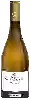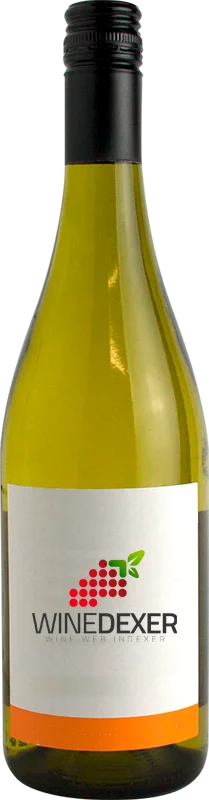
Domaine la CasenoveLes Clares
 White wine


This wine generally goes well with vegetarian, poultry or lean fish.

Food and wine pairings with Les Clares
Pairings that work perfectly with Les Clares



Original food and wine pairings with Les Clares


The Les Clares of Domaine la Casenove matches generally quite well with dishes of pasta, vegetarian or poultry such as recipes of pasta with ham, quiche without eggs or ravioli with 2 cheeses.
Details and technical informations about Domaine la Casenove's Les Clares.
Discover the grape variety: Roussanne
Aromatic and elegant whites, rich yet lifted by fine freshness, with hawthorn, honeysuckle, apricot, pear, honey, green tea, mineral and herbal notes. Fine ageing potential. Key variety in the great whites of the northern Rhône (Hermitage, Crozes-Hermitage, Saint-Joseph, Saint-Péray) blended with marsanne, and one of the 13 permitted grapes at Châteauneuf-du-Pape. Native Rhône variety.
Informations about the Domaine la Casenove
The Domaine la Casenove is one of of the world's greatest estates. It offers 14 wines for sale in the of Côtes Catalanes to come and discover on site or to buy online.

The wine region of Côtes Catalanes
Expressive Roussillon heartland: signature Grenache Noir as the red king — fleshy and sunny with notes of ripe cherry, raspberry, garrigue, spices and a peppery touch, round tannins and generous alcohol on schist. Deep Syrah, dense Carignan and Mourvèdre as support. Grenache Gris/Blanc, Macabeu and Vermentino in round whites (fennel, citrus, flowers). Aromatic Muscats.
The wine region of Pays d'Oc
The single-grape IGP par excellence: modern, accessible, frank and fruity wines, the popular signature of the Midi. Spicy Syrah reds (pepper, blackberry), round Merlot, structured Cabernet, generous Grenache, supple Cinsault. Crisp, tangy rosés. Opulent Chardonnay whites, lively Sauvignon, floral, apricoty Viognier.
The word of the wine: Marc
Solid part resulting from the pressing of the grape (stalks, pips, skins).