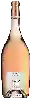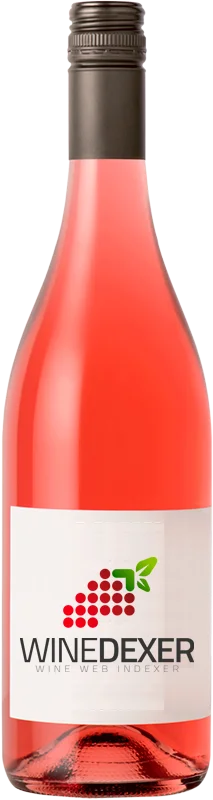
Winery L'Oppidum des CauvinsL'Escaillon Coteaux d'Aix-en-Provence Rosé
 Pink wine
This wine generally goes well with pork, vegetarian or poultry.
Food and wine pairings with L'Escaillon Coteaux d'Aix-en-Provence Rosé
Pairings that work perfectly with L'Escaillon Coteaux d'Aix-en-Provence Rosé



Original food and wine pairings with L'Escaillon Coteaux d'Aix-en-Provence Rosé

The L'Escaillon Coteaux d'Aix-en-Provence Rosé of Winery L'Oppidum des Cauvins matches generally quite well with dishes of pork, shellfish or vegetarian such as recipes of sauerkraut of the sea in casserole, shrimp with garlic and orange or goat cheese and bacon quiche.
Details and technical informations about Winery L'Oppidum des Cauvins's L'Escaillon Coteaux d'Aix-en-Provence Rosé.
Discover the grape variety: Ruby seedless
Cross between the emperor and the 75 Pirovano or sultana moscata obtained in 1939 in the United States by Professor Harold P. Olmo of the University of Davis (California). It can also be found in Australia. This variety should not be confused with the ruby-cabernet and the rubi which is a natural pink mutation of the italia.
Informations about the Winery L'Oppidum des Cauvins
The Winery L'Oppidum des Cauvins is one of of the world's great estates. It offers 24 wines for sale in the of Provence to come and discover on site or to buy online.

The wine region of Provence
Provence is a wine region in the far southeast of France, best known for the quality (and quantity) of its rosé wines and for its Warm, mild Climate. The modernization that is taking place in many of the traditional wine regions of southern France has not yet taken place to the same extent in Provence, but there are Clear signs of change. The region's Grape varieties, in particular, have come under scrutiny in recent decades. Traditional varieties such as Carignan, Barbaroux (Barbarossa from Sardinia) and Calitor are being replaced by more commercially viable varieties such as Grenache, Syrah and even Cabernet Sauvignon.
The word of the wine: Sulphur
An antiseptic and antioxidant substance known since antiquity, probably already used by the Romans. But it was only in modern times that its use was rediscovered. It will allow a better conservation of the wine and thus favour its export. Sulphur also gave the 18th century winegrower the possibility of extending the maceration period without fearing that the wine would turn sour and thus go from dark rosé wines to the red wines of today. Excessive sulphur, on the other hand, kills happiness, paralysing the aromas and causing headaches.