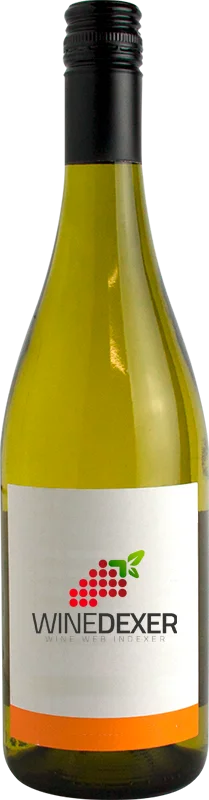
Winery KWVConcordia White
 White wine


This wine generally goes well with fruity desserts, vegetarian or lean fish.
Wine flavors and olphactive analysis

Food and wine pairings with Concordia White
Pairings that work perfectly with Concordia White


Original food and wine pairings with Concordia White


The Concordia White of Winery KWV matches generally quite well with dishes of rich fish (salmon, tuna etc), shellfish or vegetarian such as recipes of tuna gratin, seafood and mushroom quiche or quiche with bacon and gruyère cheese.
Details and technical informations about Winery KWV's Concordia White.
Discover the grape variety: Chenin blanc
It most certainly originates from the Anjou region and is registered in the official catalogue of wine grape varieties on the A1 list. It can also be found in South Africa, Australia, Argentina, Chile, the United States (California), New Zealand, etc. It is said to be a descendant of Savagnin and to have sauvignonasse as its second parent (Jean-Michel Boursiquot 2019). On the other hand, Chenin blanc is the half-brother of verdelho and sauvignon blanc and is the father of colombard.
Last vintages of this wine

The best vintages of Concordia White from Winery KWV are 2017, 2012, 2013, 0 and 2014.
Informations about the Winery KWV
The Winery KWV is one of wineries to follow in Western Cape.. It offers 94 wines for sale in the of Western Cape to come and discover on site or to buy online.

The wine region of Western Cape
The Western Cape is home to the vast majority of the South African wine industry, and the country's two most famous wine regions, Stellenbosch and Paarl. The city of Cape Town serves as the epicenter of the Cape Winelands, a mountainous, biologically diverse area in the south-western corner of the African continent. A wide variety of wines are produced here. Wines from the Shiraz and Pinotage">Pinotage grape varieties can be fresh and juicy or Full-bodied and gutsy.
The word of the wine: Tanin
A natural compound contained in the skin of the grape, the seed or the woody part of the bunch, the stalk. The maceration of red wines allows the extraction of tannins, which give the texture, the solidity and also the mellowness when the tannins are "ripe". The winemaker seeks above all to extract the tannins from the skin, the ripest and most noble. The tannins of the seed or stalk, which are "greener", especially in average years, give the wine hardness and astringency. The wines of Bordeaux (based on Cabernet and Merlot) are full of tannins, those of Burgundy much less so, with Pinot Noir containing little.