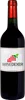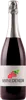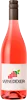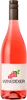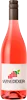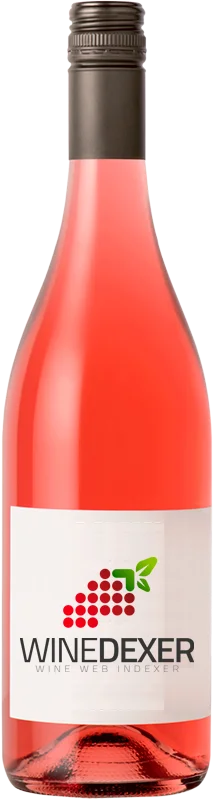
Winery KurubisSoltane Syrah - Merlot Rosé
 Pink wine


This wine generally goes well with beef, game (deer, venison) or lamb.
The Soltane Syrah - Merlot Rosé of the Winery Kurubis is in the top 30 of wines of Tunisia and in the top 10 of wines of Mornag.

Food and wine pairings with Soltane Syrah - Merlot Rosé
Pairings that work perfectly with Soltane Syrah - Merlot Rosé



Original food and wine pairings with Soltane Syrah - Merlot Rosé


The Soltane Syrah - Merlot Rosé of Winery Kurubis matches generally quite well with dishes of beef, lamb or game (deer, venison) such as recipes of beef tagine with prunes and almonds, pizza queen with merguez or duck breast with red fruits.
Details and technical informations about Winery Kurubis's Soltane Syrah - Merlot Rosé.
Discover the grape variety: Merlot
Round and fleshy reds with a velvety texture, showing aromas of ripe plum, black cherry, cocoa and truffle notes with age. Supple tannins, generous alcohol, indulgent finish. Pillar of Libournais (Pomerol with Pétrus, Saint-Émilion with Cheval Blanc and Ausone) and signature of Super Tuscans, Italian Wales and Washington State. A cross of Cabernet Franc × Magdeleine Noire, France's most planted red variety.
Last vintages of this wine
The best vintages of Soltane Syrah - Merlot Rosé from Winery Kurubis are 0
Informations about the Winery Kurubis
The Winery Kurubis is one of of the world's greatest estates. It offers 10 wines for sale in the of Mornag to come and discover on site or to buy online.

The wine region of Mornag
Tunisian AOC in the coastal plain ~40 km south of Tunis, dry climate tempered by the sea, Roman tradition inherited from Carthage. Signature Carignan as red king: warm and velvety with blackberry, black cherry, candied plum, garrigue, sweet spices and cocoa touch, round tannins and solar fruit. Peppery Syrah and firm Cabernet as complements, Cinsault and Grenache in reputed fruity Mediterranean roses. Ugni Blanc and Rezzegui in fresh whites.
The word of the wine: Aging
Period during which a wine is kept in a cellar where it goes through different phases of evolution of its aromatic range and a maturation of its constituents (evolution of the colour, refining of the tannins, harmonization of the different flavours, etc.). The wine evolves better and less quickly in large containers, whereas it deteriorates prematurely in half-bottles.