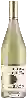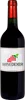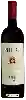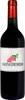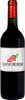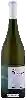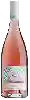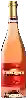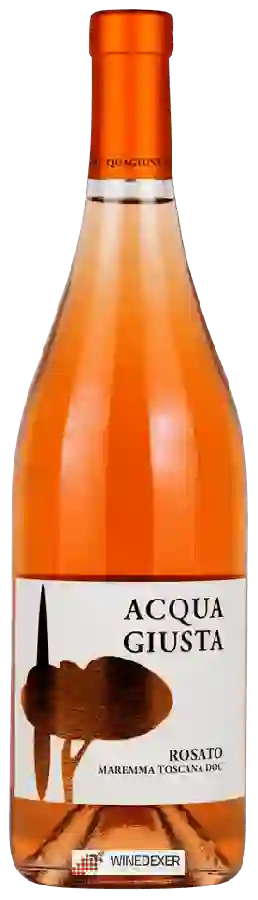
Winery Tenuta la BadiolaAcquagiusta Rosato
 Pink wine



This wine generally goes well with

Wine flavors and olphactive analysis

On the nose the Acquagiusta Rosato of Winery Tenuta la Badiola in the region of Tuscany often reveals types of flavors of tree fruit, citrus fruit or red fruit.
Details and technical informations about Winery Tenuta la Badiola's Acquagiusta Rosato.
Discover the grape variety: Roditis
Fresh, aromatic whites and rosés with a pale pink or golden colour, a supple palate and preserved acidity showing citrus (lemon, grapefruit), green apple, white flowers and Hellenic mineral notes. A refreshing Mediterranean profile. The backbone of traditional Retsina and modern Greek dry whites, defining viticulture in the Peloponnese and Attica.
Last vintages of this wine
The best vintages of Acquagiusta Rosato from Winery Tenuta la Badiola are 2018, 2017, 2014, 2012 and 2019.
Informations about the Winery Tenuta la Badiola
The Winery Tenuta la Badiola is one of of the world's greatest estates. It offers 8 wines for sale in the of Maremma Toscana to come and discover on site or to buy online.

The wine region of Maremma Toscana
Tuscan coast swept by Tyrrhenian winds, land of the "Super Tuscans". Dense, sunny reds with signature notes of ripe black cherry, blackberry, Mediterranean herbs, leather, tobacco and spice, round tannins and a warm palate. Sangiovese, king of Tuscany, magnified by the Bordeaux grapes: firm Cabernet Sauvignon, round Merlot, peppery Cabernet Franc, spicy Syrah, fruity Ciliegiolo. Saline Vermentino, ample Ansonica whites.
The wine region of Tuscany
Kingdom of Sangiovese: upright reds with cherry, plum, dried herbs and leather, lively acidity and firm tannins. Fleshy, food-friendly Chianti Classico DOCG, deep long-ageing Brunello di Montalcino (spice, tobacco, ripe black fruit), elegant Vino Nobile di Montepulciano. On the coast, Bolgheri crafts the opulent Cabernet- and Merlot-based 'Super Tuscans'. Some fresh white Vernaccia.
The word of the wine: Drawing
Synonymous with racking.