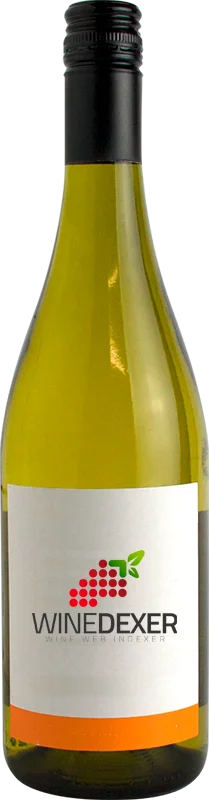
Winery Il PoggioMontecarlo Bianco
 White wine



In the mouth this white wine is a powerful with a nice freshness.
This wine generally goes well with vegetarian, appetizers and snacks or lean fish.

Taste structure of the Montecarlo Bianco from the Winery Il Poggio
Light | Bold | |
Dry | Sweet | |
Soft | Acidic |
In the mouth the Montecarlo Bianco of Winery Il Poggio in the region of Tuscany is a powerful with a nice freshness.
Wine flavors and olphactive analysis


On the nose the Montecarlo Bianco of Winery Il Poggio in the region of Tuscany often reveals types of flavors of tree fruit, citrus fruit.
Food and wine pairings with Montecarlo Bianco
Pairings that work perfectly with Montecarlo Bianco



Original food and wine pairings with Montecarlo Bianco


The Montecarlo Bianco of Winery Il Poggio matches generally quite well with dishes of pasta, vegetarian or appetizers and snacks such as recipes of lasagne with two salmons, zucchini and goat cheese quiche or fresh sardine rillettes.
Details and technical informations about Winery Il Poggio's Montecarlo Bianco.
Discover the grape variety: Bouillet
Simple, supple and fruity reds with a clear ruby colour, soft tannins and an airy palate with moderate acidity, showing understated aromas of red fruits. Discreet, rustic profile. Almost disappeared from commercial cultivation, preserved in INRAE varietal collections, it bears witness to the pre-phylloxera ampelographic diversity of the South-West and is among the heritage varieties being studied. Rare French black variety, formerly grown in the South-West.
Last vintages of this wine
The best vintages of Montecarlo Bianco from Winery Il Poggio are 2019, 2018, 2017, 2016 and 2015.
Informations about the Winery Il Poggio
The Winery Il Poggio is one of of the world's greatest estates. It offers 11 wines for sale in the of Montecarlo to come and discover on site or to buy online.

The wine region of Montecarlo
Tuscan DOC (1969) on hills north-east of Lucca between the Apennines and Mediterranean, varied soils, temperate climate. Original Bianco blending Trebbiano (40-60%) with Sémillon, Pinot Grigio, Pinot Bianco, Vermentino, Sauvignon and Roussanne: dry and delicate with citrus, white flowers, apple and mineral hints, fine balance — rare international blend in Tuscany. Sangiovese-led Rosso (50-75%) with Canaiolo, Ciliegiolo and Cabernet: bright ruby, fruity and sapid.
The wine region of Tuscany
Kingdom of Sangiovese: upright reds with cherry, plum, dried herbs and leather, lively acidity and firm tannins. Fleshy, food-friendly Chianti Classico DOCG, deep long-ageing Brunello di Montalcino (spice, tobacco, ripe black fruit), elegant Vino Nobile di Montepulciano. On the coast, Bolgheri crafts the opulent Cabernet- and Merlot-based 'Super Tuscans'. Some fresh white Vernaccia.
The word of the wine: Malolactic fermentation
Called second fermentation or malo for short. It is the degradation (under the effect of bacteria) of the malic acid naturally present in the wine into milder, less aggressive lactic acid. Some producers or wineries refuse this operation by "blocking the malo" (by cold and adding SO2) to keep a maximum of acidity which carries the aromas and accentuates the sensation of freshness.