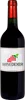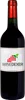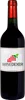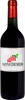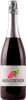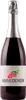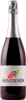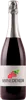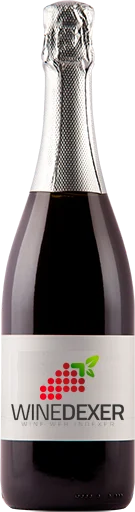
Winery Il CaselloLa Rosa
 Sparkling wine


This wine generally goes well with pork, poultry or beef.

Food and wine pairings with La Rosa
Pairings that work perfectly with La Rosa



Original food and wine pairings with La Rosa


The La Rosa of Winery Il Casello matches generally quite well with dishes of beef, lamb or pork such as recipes of oxtail confit in red wine, fillet of lamb in potato dressing or spaghetti carbonara.
Details and technical informations about Winery Il Casello's La Rosa.
Discover the grape variety: Rubilande
Light, lively rosés best enjoyed young, with a pale pink robe and an airy palate of preserved acidity, showing discreet aromas of red fruits and flowers. Rustic, understated profile. Almost extinct, preserved in INRAE varietal collections for its heritage value, this pink French variety testifies to the pre-phylloxera ampelographic diversity of French vineyards.
Last vintages of this wine

The best vintages of La Rosa from Winery Il Casello are 2015, 2018, 0
Informations about the Winery Il Casello
The Winery Il Casello is one of of the world's great estates. It offers 21 wines for sale in the of Emilia-Romagna to come and discover on site or to buy online.

The wine region of Emilia-Romagna
Kingdom of Lambrusco: fresh, fruity sparkling reds (blackberry, cherry, violet), from gourmet dry to convivial off-dry, perfect with local charcuterie. World's best-selling sparkling wine on the Emilia side (Sorbara, Grasparossa, Salamino). East, Romagna: supple fruity Sangiovese, Albana (Italy's 1st white DOCG, 1987) ample and almondy. Also red Gutturnio and white Pignoletto.
The word of the wine: Press (wine)
In red winemaking, wine made from the marcs by pressing after devatting. See goutte (wine of).