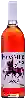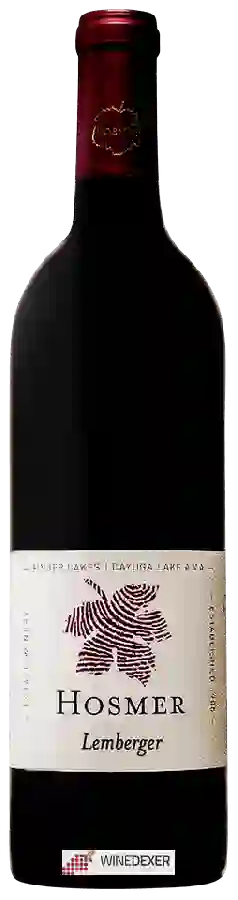
Winery HosmerLemberger
 Red wine



This wine generally goes well with
The Lemberger of the Winery Hosmer is in the top 20 of wines of Cayuga Lake.

Wine flavors and olphactive analysis


On the nose the Lemberger of Winery Hosmer in the region of New York often reveals types of flavors of non oak, oak or spices and sometimes also flavors of red fruit.
Details and technical informations about Winery Hosmer's Lemberger.
Discover the grape variety: Monastrell
Powerful, structured reds with an almost black inky hue, firm tannins and a dense palate, with intense aromas of ripe black fruits (blackberry, plum), candied cherry, garrigue, Mediterranean herbs, black pepper, leather, liquorice and animal notes. Fine ageing potential, high-alcohol solar wines. Star of Jumilla DO, Yecla DO, Bullas DO and Alicante DO in south-eastern Spain. Spanish synonym for Mediterranean mourvèdre, identity signature of sunny Spain.
Last vintages of this wine
The best vintages of Lemberger from Winery Hosmer are 0, 2017
Informations about the Winery Hosmer
The Winery Hosmer is one of of the world's great estates. It offers 30 wines for sale in the of Cayuga Lake to come and discover on site or to buy online.

The wine region of Cayuga Lake
New York AVA at the heart of the Finger Lakes (around the longest glacial lake, moderating microclimate, fertile soils, west-facing morning-sun slopes): Riesling is king in cool-climate whites — dazzling aromas of lemon, green apple, jasmine and honeysuckle, intense minerality, vibrant preserved acidity. Chardonnay, Cabernet Franc, Gewürztraminer and Pinot Gris as complements; lake-ice effect moderates slow, balanced maturation.
The wine region of New York
America's 3rd wine state by volume, striking diversity. Finger Lakes the signature: cool-climate Riesling, dry to off-dry, mineral and lively with notes of lime, apple, evolving petrol and white flowers — a US benchmark. Warmer Long Island for peppery Cabernet Franc and supple Merlot. Hudson Valley (Seyval, Vidal).
The word of the wine: Cooked wine
In Provence, wine made from must cooked and reduced over a wood fire, traditionally consumed at Christmas time with the thirteen desserts.