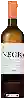
Winery Horácio SimõesBranco
 White wine


In the mouth this white wine is a powerful.
This wine generally goes well with pork, lean fish or shellfish.

Taste structure of the Branco from the Winery Horácio Simões
Light | Bold | |
Dry | Sweet | |
Soft | Acidic |
In the mouth the Branco of Winery Horácio Simões in the region of Península de Setúbal is a powerful.
Food and wine pairings with Branco
Pairings that work perfectly with Branco



Original food and wine pairings with Branco

The Branco of Winery Horácio Simões matches generally quite well with dishes of pasta, pork or shellfish such as recipes of pasta with arrabiata, andouillette with mustard sauce or shrimp risotto with curry.
Details and technical informations about Winery Horácio Simões's Branco.
Discover the grape variety: Aurore
Light, fruity whites with a pale colour, supple palate and medium acidity, showing simple aromas of white fruits (apple, pear), white flowers, citrus and discreet muscat notes. A thirst-quenching style, also made sparkling. Grown in the north-eastern United States (New York, Pennsylvania) and Canada (Ontario), well-adapted to cold continental viticultural climates. American white hybrid created in 1860 by Albert Seibel (Seibel 788 × Seibel 29).
Last vintages of this wine

The best vintages of Branco from Winery Horácio Simões are 2015, 0, 2009
Informations about the Winery Horácio Simões
The Winery Horácio Simões is one of of the world's great estates. It offers 30 wines for sale in the of Setúbal to come and discover on site or to buy online.

The wine region of Setúbal
Portuguese DOC on the peninsula south of Lisbon (1908), specialty of sweet fortified wines. Moscatel de Setúbal signature liquoroso white king: aromatic and opulent with signature notes of raisin, candied orange, honey, dried apricot, orange blossom, sweet spices and balsamic hint, unctuous long palate — from youthful fruity to complex oxidative aging (20+ years). Also Castelão reds, supple (cherry, plum) and Aragonez (Tempranillo) fruity. Tempered Atlantic climate.
The wine region of Península de Setúbal
Portuguese peninsula south of Lisbon between the Tagus and Sado estuaries. World-renowned speciality: Moscatel de Setúbal, a golden fortified sweet wine with signature notes of candied orange, dried apricot, honey, fig, currant and sweet spices, long ageing — the rare Roxo version has more floral notes. Also fruity, supple Castelão reds (64%) (blackberry, plum), perfumed Touriga Nacional. Oceanic climate.
The word of the wine: Grape varieties
All the grape varieties that make up a vineyard, an appellation, a wine region.