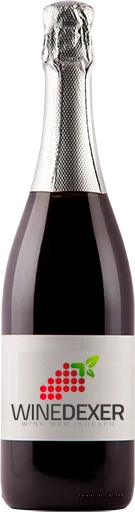
Winery HolaCava Suchi Brut
 Sparkling wine



In the mouth this sparkling wine is a with a nice vivacity and a fine and pleasant bubble.
This wine generally goes well with appetizers and snacks, lean fish or shellfish.
Taste structure of the Cava Suchi Brut from the Winery Hola
Light | Bold | |
Soft | Acidic | |
Gentle | Fizzy |
In the mouth the Cava Suchi Brut of Winery Hola in the region of Cava is a with a nice vivacity and a fine and pleasant bubble.
Wine flavors and olphactive analysis

On the nose the Cava Suchi Brut of Winery Hola in the region of Cava often reveals types of flavors of tree fruit.
Food and wine pairings with Cava Suchi Brut
Pairings that work perfectly with Cava Suchi Brut



Original food and wine pairings with Cava Suchi Brut


The Cava Suchi Brut of Winery Hola matches generally quite well with dishes of shellfish, appetizers and snacks or lean fish such as recipes of scallop mousse, tapenade or baeckeoffe with fish.
Details and technical informations about Winery Hola's Cava Suchi Brut.
Discover the grape variety: Rèze
Found in Switzerland in the upper Valais where it was used to produce the famous "Vin des glaciers". In France, it is little known except in Savoie and the Jura, although it is listed in the official catalogue of wine grape varieties on the A1 list. According to published genetic analyses, it is the grandmother of five grape varieties, including humagne rouge or petit rouge or cornalin d'Aoste; the mother of grosse arvine and the half-sister of freisa. It is also related to the poulsard, the nosiola, the cascarolo bianco, the groppello di revo, ... for more details click here !
Last vintages of this wine
The best vintages of Cava Suchi Brut from Winery Hola are 2015, 0
Informations about the Winery Hola
The Winery Hola is one of of the world's greatest estates. It offers 13 wines for sale in the of Cava to come and discover on site or to buy online.

The wine region of Cava
Cava is Spain's signature style of Sparkling wine, and the Iberian Peninsula's answer to Champagne. The traditional Grape varieties used in Cava were Macabeo, Parellada and Xarel-lo, but the Champagne varieties Chardonnay and Pinot Noir are also used. While the first Cava was produced exclusively in Catalonia - specifically in a small town called San Sadurní de Noya - modern Cava can be sourced from various regions of Spain. Aragon, Navarre, Rioja, Pais Vasco, Valencia and Extremadura have specific delimited areas that can benefit from the designation of origin.
The word of the wine: Astringency
Chemical stimulation that tightens the mucous membranes of the mouth and causes a sensation of harshness, which is characteristic of the presence of tannins. With time, the tannins lose their harshness and become softer.