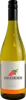
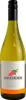
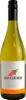
Winery Herdade do CebolalCastelão Branco
 White wine


In the mouth this white wine is a powerful.
This wine generally goes well with pork, lean fish or shellfish.

Taste structure of the Castelão Branco from the Winery Herdade do Cebolal
Light | Bold | |
Dry | Sweet | |
Soft | Acidic |
In the mouth the Castelão Branco of Winery Herdade do Cebolal in the region of Península de Setúbal is a powerful.
Wine flavors and olphactive analysis

On the nose the Castelão Branco of Winery Herdade do Cebolal in the region of Península de Setúbal often reveals types of flavors of pear, tree fruit.
Food and wine pairings with Castelão Branco
Pairings that work perfectly with Castelão Branco



Original food and wine pairings with Castelão Branco

The Castelão Branco of Winery Herdade do Cebolal matches generally quite well with dishes of pasta, pork or shellfish such as recipes of fish with tamarind, savoyard crozet gratin or chicken maffé (africa).
Details and technical informations about Winery Herdade do Cebolal's Castelão Branco.
Discover the grape variety: Sauvignonasse
Dry, structured, aromatic whites with a pale golden hue, a broad palate and preserved acidity, featuring fresh almond, pear, apple, citrus, white flowers, cut herbs and mineral notes. Fine ageing potential. Star of Friuli Colli Orientali DOC and Collio DOC as Friulano (emblem of Friuli). Also grown in Chile (Sauvignon Vert) and Slovenia. Native south-west variety, long confused with sauvignon blanc.
Last vintages of this wine
The best vintages of Castelão Branco from Winery Herdade do Cebolal are 2017, 2015
Informations about the Winery Herdade do Cebolal
The Winery Herdade do Cebolal is one of of the world's greatest estates. It offers 20 wines for sale in the of Península de Setúbal to come and discover on site or to buy online.

The wine region of Península de Setúbal
Portuguese peninsula south of Lisbon between the Tagus and Sado estuaries. World-renowned speciality: Moscatel de Setúbal, a golden fortified sweet wine with signature notes of candied orange, dried apricot, honey, fig, currant and sweet spices, long ageing — the rare Roxo version has more floral notes. Also fruity, supple Castelão reds (64%) (blackberry, plum), perfumed Touriga Nacional. Oceanic climate.
The word of the wine: Petiole
Stem of the leaf, connecting the leaf blade to the stem.