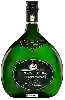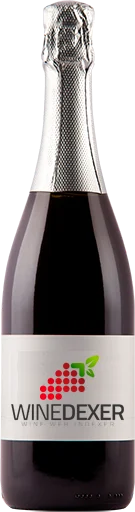
Winery Hans WirschingSilvaner Jahrgangssekt Brut
 Sparkling wine


This wine generally goes well with poultry, lean fish or shellfish.

Food and wine pairings with Silvaner Jahrgangssekt Brut
Pairings that work perfectly with Silvaner Jahrgangssekt Brut



Original food and wine pairings with Silvaner Jahrgangssekt Brut


The Silvaner Jahrgangssekt Brut of Winery Hans Wirsching matches generally quite well with dishes of shellfish, spicy food or poultry such as recipes of shrimp and cherry tomato quiche, beef fajitas or senegalese rice.
Details and technical informations about Winery Hans Wirsching's Silvaner Jahrgangssekt Brut.
Discover the grape variety: Chenin
Exceptionally versatile whites: crisp mineral dry, honeyed medium-sweet, concentrated botrytised sweet or fine sparkling; pale golden to amber robe, ample palate with beautiful preserved acidity, with signature aromas of yellow fruits (quince, apple), honey, white flowers (acacia) and tuffeau notes. Star of Vouvray, Savennières, Coteaux du Layon, Quarts-de-Chaume and Crémant de Loire. Emblematic white variety of the Loire, originally from Anjou; also South Africa's star.
Last vintages of this wine
The best vintages of Silvaner Jahrgangssekt Brut from Winery Hans Wirsching are 0
Informations about the Winery Hans Wirsching
The Winery Hans Wirsching is one of of the world's great estates. It offers 93 wines for sale in the of Franken to come and discover on site or to buy online.

The wine region of Franken
Homeland of German Silvaner: dry, straight, mineral and lively whites with notes of green apple, citrus, fresh herbs and a saline touch, planted here for over 350 years (1,500 ha, a quarter of the vineyard). Also supple, floral Müller-Thurgau, taut Riesling, aromatic Bacchus. Some discreet reds (Spätburgunder). 6,040 ha in Bavaria along the Main around Würzburg, red sandstone and shell-limestone soils.
The word of the wine: Erinosis
Generally benign condition caused by a very small mite. The infested leaves show blisters on the upper surface, sometimes reddish, sometimes green, to which corresponds on the lower surface a dense felting, first pinkish white, then brownish or reddish.