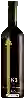
Winery Hacienda GastónG8 Gastones Ocho Tempranillo
 Pink wine



This wine generally goes well with pork, beef or game (deer, venison).

Food and wine pairings with G8 Gastones Ocho Tempranillo
Pairings that work perfectly with G8 Gastones Ocho Tempranillo



Original food and wine pairings with G8 Gastones Ocho Tempranillo


The G8 Gastones Ocho Tempranillo of Winery Hacienda Gastón matches generally quite well with dishes of beef, lamb or pork such as recipes of tournedos rossini, leg of lamb with herb stuffing or grandma's chicken casserole.
Details and technical informations about Winery Hacienda Gastón's G8 Gastones Ocho Tempranillo.
Discover the grape variety: Tempranillo
Elegant, structured reds with aromas of strawberry, cherry, plum, leather, blond tobacco and pronounced vanilla from long oak ageing. Ranges from Joven to Crianza, Reserva and Gran Reserva. Star of Rioja DOCa, Ribera del Duero DO and Toro DO, also shines in the Douro as Tinta Roriz/Aragonez. One of the world's most planted Spanish varieties.
Last vintages of this wine
The best vintages of G8 Gastones Ocho Tempranillo from Winery Hacienda Gastón are 0, 2015
Informations about the Winery Hacienda Gastón
The Winery Hacienda Gastón is one of of the world's great estates. It offers 13 wines for sale in the of El Pais Vasco to come and discover on site or to buy online.

The wine region of El Pais Vasco
Spanish Basque Country (Euskadi) on the Cantabrian coast near Bilbao, humid oceanic climate. Hondarrabi Zuri is the signature white for Txakoli: dry, lively and slightly sparkling with citrus, green apple, white flowers and saline iodine notes, cutting acidity and low alcohol - poured from height to release the pétillant, the pintxos companion. Hondarrabi Beltza for light reds and crisp rosés. Three DOs: Getariako, Bizkaiko and Arabako Txakolina.
The word of the wine: Maturing (champagne)
After riddling, the bottles are stored on "point", upside down, with the neck of one bottle in the bottom of the other. The duration of this maturation is very important: in contact with the dead yeasts, the wine takes on subtle aromas and gains in roundness and fatness. A brut without year must remain at least 15 months in the cellar after bottling, a vintage 36 months.