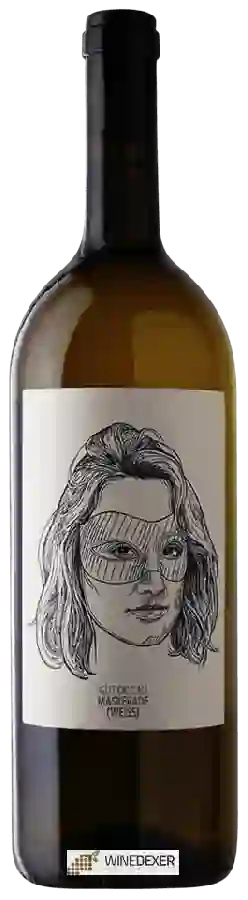
Winery Gut OggauMaskerade Weiss
 White wine


This wine generally goes well with pork, vegetarian or lean fish.

Wine flavors and olphactive analysis






On the nose the Maskerade Weiss of Winery Gut Oggau in the region of Weinland often reveals types of flavors of grapefruit, tropical or citrus and sometimes also flavors of apples, minerality or apricot.
Food and wine pairings with Maskerade Weiss
Pairings that work perfectly with Maskerade Weiss



Original food and wine pairings with Maskerade Weiss



The Maskerade Weiss of Winery Gut Oggau matches generally quite well with dishes of pork, rich fish (salmon, tuna etc) or shellfish such as recipes of potato and bacon omelette, tartiflette with smoked salmon or paella josé style.
Details and technical informations about Winery Gut Oggau's Maskerade Weiss.
Discover the grape variety: Gros Manseng
Structured, aromatic whites with lively acidity and an ample mouth, featuring intense aromas of exotic fruits (pineapple, mango, passion fruit), ripe citrus, yellow peach, white flowers, honey and sweet spices. Made as nervy modern dry wines (Jurançon sec AOC, IGP Côtes de Gascogne) and sumptuous passerillage sweet wines (Jurançon AOC, Pacherenc du Vic-Bilh AOC). Late-ripening native grape of Béarn, the productive sibling of Petit Manseng.
Last vintages of this wine
The best vintages of Maskerade Weiss from Winery Gut Oggau are 2019, 2018
Informations about the Winery Gut Oggau
The Winery Gut Oggau is one of of the world's great estates. It offers 22 wines for sale in the of Weinland to come and discover on site or to buy online.

The wine region of Weinland
Vast German-speaking region in north-eastern Switzerland, the country's largest production area. Signature Pinot Noir (Blauburgunder): fine, fresh reds with notes of cherry, raspberry, undergrowth and sweet spices, silky tannins. Elegant, delicate style, often barrel-aged. Also light, floral Müller-Thurgau (Riesling-Sylvaner), lively, lemony native Räuschling, ample Pinot Gris.
The word of the wine: Pressing Rosé
A method of making rosé wine that consists of pressing the grapes directly after crushing and light skin maceration. The resulting wine is lively, light and pale.