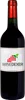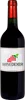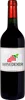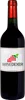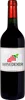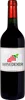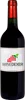
Winery GrosjeanRouge Gorge
 Red wine


In the mouth this red wine is a powerful.
This wine generally goes well with beef, game (deer, venison) or lamb.

Taste structure of the Rouge Gorge from the Winery Grosjean
Light | Bold | |
Smooth | Tannic | |
Dry | Sweet | |
Soft | Acidic |
In the mouth the Rouge Gorge of Winery Grosjean in the region of Valle d'Aosta is a powerful.
Food and wine pairings with Rouge Gorge
Pairings that work perfectly with Rouge Gorge



Original food and wine pairings with Rouge Gorge

The Rouge Gorge of Winery Grosjean matches generally quite well with dishes of beef, pasta or lamb such as recipes of tunisian molokheya, pasta with shrimp or rack of lamb with herbs.
Details and technical informations about Winery Grosjean's Rouge Gorge.
Discover the grape variety: Bouteillan
Simple, fresh, low-aromatic whites with a pale golden robe, a supple palate with moderate acidity, and discreet aromas of citrus and white flowers. A discreet rustic Provençal profile. Almost absent from commercial cultivation, preserved in INRAE ampelographic collections for its heritage value, it testifies to the pre-phylloxera ampelographic diversity of the Provençal vineyard. An indigenous Provençal white grape, once grown in Provence and the South-East.
Last vintages of this wine
The best vintages of Rouge Gorge from Winery Grosjean are 2008, 0
Informations about the Winery Grosjean
The Winery Grosjean is one of of the world's great estates. It offers 37 wines for sale in the of Valle d'Aosta to come and discover on site or to buy online.

The wine region of Valle d'Aosta
Italy's smallest vineyard (~500 ha) between Mont Blanc and Canavese, among Europe's highest vines (up to 1,200 m at Morgex). Native Petit Rouge signature: fine, fresh reds with signature notes of raspberry, violet, alpine herbs, sweet spices and a mineral touch, silky tannins. Local Cornalin, Fumin and Mayolet complete. Firm Nebbiolo (Picotendro), light Gamay.
The word of the wine: Thermoregulation
Control of the vinification temperatures (by circulating hot or cold water on the walls of the vats, for example). This is a major step forward, which in particular helps to preserve the freshness of the aromas threatened by excessive temperature rises during fermentation.