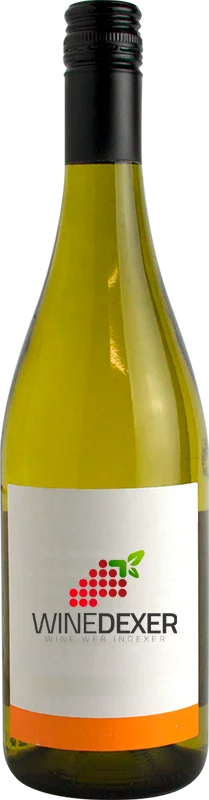
Winery GrantschenWeissburgunder Trocken
 White wine



In the mouth this white wine is a with a nice freshness.
This wine generally goes well with rich fish (salmon, tuna etc), shellfish or mild and soft cheese.

Taste structure of the Weissburgunder Trocken from the Winery Grantschen
Light | Bold | |
Dry | Sweet | |
Soft | Acidic |
In the mouth the Weissburgunder Trocken of Winery Grantschen in the region of Württemberg is a with a nice freshness.
Food and wine pairings with Weissburgunder Trocken
Pairings that work perfectly with Weissburgunder Trocken



Original food and wine pairings with Weissburgunder Trocken

The Weissburgunder Trocken of Winery Grantschen matches generally quite well with dishes of rich fish (salmon, tuna etc), shellfish or mild and soft cheese such as recipes of quiche with leeks and fresh salmon from flo, cuttlefish a la plancha or croziflette.
Details and technical informations about Winery Grantschen's Weissburgunder Trocken.
Discover the grape variety: Faberrebe
Aromatic, fine whites with a pale golden robe, an airy palate with preserved acidity, and signature muscat, white flower (acacia, elderflower), white fruit (apple, pear) aromas with delicate floral notes. Also vinified as off-dry styles. Grown in the Rhine and Franconia regions for dry and off-dry aromatic whites. German white grape obtained in 1929 by Georg Scheu in Alzey (Weißburgunder × Müller-Thurgau).
Last vintages of this wine
The best vintages of Weissburgunder Trocken from Winery Grantschen are 0
Informations about the Winery Grantschen
The Winery Grantschen is one of of the world's greatest estates. It offers 43 wines for sale in the of Württemberg to come and discover on site or to buy online.

The wine region of Württemberg
Rare predominantly red region in Germany (nearly 70%). Supple, fruity everyday reds: light, crisp Trollinger (Schiava) with red fruits, more structured, spicy, deep Lemberger (Blaufränkisch), generous Schwarzriesling (Pinot Meunier). Riesling king of whites (>2,000 ha), lively and mineral, citrus and green apple. Germany's 4th region (11,500 ha) on the Neckar slopes around Heilbronn and Stuttgart.
The word of the wine: Cryptogamic
Refers to diseases transmitted to plants by a fungus.