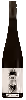
Winery Gies-DüppelKastanienbusch Spätburgunder
 Red wine


In the mouth this red wine is a with a nice freshness.
This wine generally goes well with poultry, beef or veal.

Taste structure of the Kastanienbusch Spätburgunder from the Winery Gies-Düppel
Light | Bold | |
Smooth | Tannic | |
Dry | Sweet | |
Soft | Acidic |
In the mouth the Kastanienbusch Spätburgunder of Winery Gies-Düppel in the region of Pfalz is a with a nice freshness.
Food and wine pairings with Kastanienbusch Spätburgunder
Pairings that work perfectly with Kastanienbusch Spätburgunder



Original food and wine pairings with Kastanienbusch Spätburgunder

The Kastanienbusch Spätburgunder of Winery Gies-Düppel matches generally quite well with dishes of beef, veal or game (deer, venison) such as recipes of lamb skewers, normandy style escalope or aiguillette of duck normandy style.
Details and technical informations about Winery Gies-Düppel's Kastanienbusch Spätburgunder.
Discover the grape variety: Muscat reine des vignes
Table grape with medium bunches and golden berries with thin skin and muscat-flavoured flesh, with a sweet aromatic flavour (rose, fresh grapes). Early ripening. Very rarely vinified, occasionally as aromatic muscat-style whites. Grown for fresh consumption in central and eastern Europe, prized for its attractive appearance and typical muscat grape flavour. Aromatic white variety sometimes listed as a synonym of Hungarian Irsai Oliver.
Last vintages of this wine
The best vintages of Kastanienbusch Spätburgunder from Winery Gies-Düppel are 2010, 0
Informations about the Winery Gies-Düppel
The Winery Gies-Düppel is one of of the world's great estates. It offers 58 wines for sale in the of Pfalz to come and discover on site or to buy online.

The wine region of Pfalz
Fleshy, dry, fruity Riesling is the region's signature: yellow peach, apricot, ripe citrus, lovely mineral tension. Germany's largest red-wine area (40%), with silky Spätburgunder showing red fruit and spice, darker structured Dornfelder, supple Portugieser. Some rounded Pinot Blanc and Pinot Gris. A 23,640 ha vineyard along the Haardt, among Germany's warmest (>2,000 h of sun).
The word of the wine: Dry extract
Non-liquid constituents of wine.