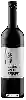
Winery Georg PreisingerZweigelt Heideboden
 Red wine



In the mouth this red wine is a with a nice balance between acidity and tannins.
This wine generally goes well with beef, game (deer, venison) or lamb.

Taste structure of the Zweigelt Heideboden from the Winery Georg Preisinger
Light | Bold | |
Smooth | Tannic | |
Dry | Sweet | |
Soft | Acidic |
In the mouth the Zweigelt Heideboden of Winery Georg Preisinger in the region of Weinland is a with a nice balance between acidity and tannins.
Wine flavors and olphactive analysis

On the nose the Zweigelt Heideboden of Winery Georg Preisinger in the region of Weinland often reveals types of flavors of oak.
Food and wine pairings with Zweigelt Heideboden
Pairings that work perfectly with Zweigelt Heideboden



Original food and wine pairings with Zweigelt Heideboden
The Zweigelt Heideboden of Winery Georg Preisinger matches generally quite well with dishes of beef, lamb or game (deer, venison) such as recipes of fillet of beef in a foie gras and truffle crust, irish stew with beer or conejo al ajillo (spain).
Details and technical informations about Winery Georg Preisinger's Zweigelt Heideboden.
Discover the grape variety: Zweigelt
Supple and fruity reds with a vivid ruby colour, soft tannins and snappy acidity, with aromas of sour cherry, raspberry, red plum and gentle spices. Made as easy-drinking young reds and as more structured, oak-aged cellar wines. The most planted red variety in Austria (Burgenland, Carnuntum, Neusiedlersee), created in 1922 by Friedrich Zweigelt in Klosterneuburg, a cross of saint laurent × blaufränkisch.
Last vintages of this wine
The best vintages of Zweigelt Heideboden from Winery Georg Preisinger are 0, 2017, 2012
Informations about the Winery Georg Preisinger
The Winery Georg Preisinger is one of of the world's greatest estates. It offers 16 wines for sale in the of Neusiedlersee to come and discover on site or to buy online.

The wine region of Neusiedlersee
Austrian home of Zweigelt on the east shore of Lake Neusiedl (Burgenland): signature DAC red (≥85%, 12° min) — fruity and harmonious with notes of morello cherry, black berries, fine herbs and a spicy touch, supple tannins and an elegant finish. Legendary sweet wines (botrytised Trockenbeerenauslese from the Seewinkel) in exceptional honeyed whites. Hot, dry continental Pannonian climate, varied gravelly and sandy soils. ~7,500 ha, Gols the epicentre, Zweigelt >70% of plantings.
The wine region of Weinland
Vast German-speaking region in north-eastern Switzerland, the country's largest production area. Signature Pinot Noir (Blauburgunder): fine, fresh reds with notes of cherry, raspberry, undergrowth and sweet spices, silky tannins. Elegant, delicate style, often barrel-aged. Also light, floral Müller-Thurgau (Riesling-Sylvaner), lively, lemony native Räuschling, ample Pinot Gris.
The word of the wine: Licking
Operation consisting in sanitizing a barrel by introducing a wick of ignited sulphur which produces a release of sulphurous gas.