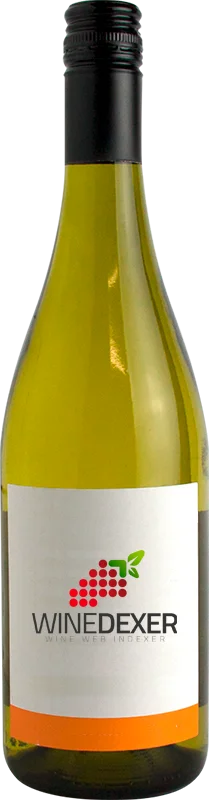
Winery GasserBoudry Viognier
 White wine



This wine generally goes well with pork, poultry or game (deer, venison).
Food and wine pairings with Boudry Viognier
Pairings that work perfectly with Boudry Viognier



Original food and wine pairings with Boudry Viognier



The Boudry Viognier of Winery Gasser matches generally quite well with dishes of pork, game (deer, venison) or shellfish such as recipes of rougail sausage, duck breast with pepper sauce or rice with shrimps and onions.
Details and technical informations about Winery Gasser's Boudry Viognier.
Discover the grape variety: Viognier
White Viognier is a grape variety that originated in France (Rhone Valley). It produces a variety of grape specially used for wine making. It is rare to find this grape to eat on our tables. This variety of grape is characterized by small bunches, and grapes of small size. White Viognier can be found in many vineyards: South West, Languedoc & Roussillon, Cognac, Bordeaux, Rhone Valley, Burgundy, Jura, Champagne, Savoie & Bugey, Provence & Corsica, Loire Valley, Beaujolais.
Last vintages of this wine
The best vintages of Boudry Viognier from Winery Gasser are 0
Informations about the Winery Gasser
The Winery Gasser is one of of the world's greatest estates. It offers 4 wines for sale in the of Neuchâtel to come and discover on site or to buy online.

The wine region of Neuchâtel
Neuchatel is one of the smaller wine regions of Switzerland, located in the French-speaking western half of the country, North of the much larger Vaud area. Much like its neighbour, Chasselas dominates white plantings here, however Pinot Noir is more significant here, as is the reputation of Neuchatel's rosés. The region is generally referred to as the 'Three Lakes' as the region - and the four AOCs within it - are found on the relatively low-lying, flatter land, centered around the lakes of Morat, Bienne and Neuchatel. The region also covers three neighbouring Swiss cantons.
The word of the wine: Stirring
In the traditional method, the operation aims to bring the deposits against the cork by the movement of the bottles placed on desks. The stirring can be manual or mechanical (using gyropalettes).