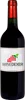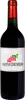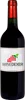
Winery GambelliCapodimonte Rosso Conero
 Red wine


In the mouth this red wine is a with a nice freshness.
This wine generally goes well with poultry, beef or veal.
Taste structure of the Capodimonte Rosso Conero from the Winery Gambelli
Light | Bold | |
Smooth | Tannic | |
Dry | Sweet | |
Soft | Acidic |
In the mouth the Capodimonte Rosso Conero of Winery Gambelli in the region of Marche is a with a nice freshness.
Food and wine pairings with Capodimonte Rosso Conero
Pairings that work perfectly with Capodimonte Rosso Conero



Original food and wine pairings with Capodimonte Rosso Conero

The Capodimonte Rosso Conero of Winery Gambelli matches generally quite well with dishes of beef, pasta or veal such as recipes of bernard's potée, mascarpone pasta with tomato sauce or blanquette of veal.
Details and technical informations about Winery Gambelli's Capodimonte Rosso Conero.
Discover the grape variety: Fel
Most likely from southwest France, found in Aveyron at Estaing and around Marcillac.
Last vintages of this wine

The best vintages of Capodimonte Rosso Conero from Winery Gambelli are 0, 2016
Informations about the Winery Gambelli
The Winery Gambelli is one of of the world's greatest estates. It offers 25 wines for sale in the of Rosso Conero to come and discover on site or to buy online.

The wine region of Rosso Conero
The wine region of Rosso Conero is located in the region of Marches of Italy. Wineries and vineyards like the Domaine Alberto Serenelli or the Domaine Tenimenti Spinsanti produce mainly wines red and white. The most planted grape varieties in the region of Rosso Conero are Sangiovese, Cabernet-Sauvignon and Cortese, they are then used in wines in blends or as a single variety. On the nose of Rosso Conero often reveals types of flavors of earth, microbio or raspberry and sometimes also flavors of chocolate, clove or prune.
The wine region of Marche
Marche (or Le Marche; pronounced Mar-kay) is a region in eastern CentralItaly. It is most associated with white wines made from Trebbiano and Verdicchio grapes. Marche occupies a roughly triangular area. Its longer sides are formed by the Apennine Mountains to the west and the Adriatic Sea to the east.
The word of the wine: PGI
Protected geographical indication. Equivalent to vin de pays in European regulations.