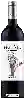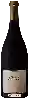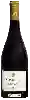
Domaine Sol PayréCôtes du Roussillon Fûts de Chêne
 Red wine



This wine generally goes well with beef, veal or pasta.

Food and wine pairings with Côtes du Roussillon Fûts de Chêne
Pairings that work perfectly with Côtes du Roussillon Fûts de Chêne



Original food and wine pairings with Côtes du Roussillon Fûts de Chêne
The Côtes du Roussillon Fûts de Chêne of Domaine Sol Payré matches generally quite well with dishes of beef, pasta or veal such as recipes of baeckeoffe, three ways to prepare chinese noodles or italian veal roulade.
Details and technical informations about Domaine Sol Payré's Côtes du Roussillon Fûts de Chêne.
Discover the grape variety: Souzao
Intensely coloured, tangy reds with an almost black deep ruby robe, firm tannins and a dense, high-acidity palate, showing signature aromas of black fruits (blackberry, cassis), black cherry, spice and balsamic notes. A traditional component of vintage Port, contributing colour and acidity, present in dry reds from Douro DOC, also grown in California. The synonym for Portuguese Sousão, identical to Vinhão and Galician Sousón.
Informations about the Domaine Sol Payré
The Domaine Sol Payré is one of of the world's great estates. It offers 43 wines for sale in the of Côtes du Roussillon to come and discover on site or to buy online.

The wine region of Côtes du Roussillon
Catalan sun and Mediterranean character on the edge of the Pyrenees. Fleshy, sun-soaked reds with signature notes of candied black fruit (blackberry, plum), garrigue, pepper, liquorice and dark chocolate, firm tannins and generous warmth. Blends of Grenache (roundness), Syrah (spice), old-vine Carignan (power) and dense Mourvèdre. Also sunny rosés and ample whites (Grenache Blanc, Macabeu).
The wine region of Languedoc-Roussillon
Largest single French vineyard, dominated by sunny, generous reds. Spicy Syrah, candied Grenache (ripe fruit, garrigue), structured Carignan, deep Mourvèdre, supple Cinsault. Stars: structured Corbières, Minervois, Faugères, Saint-Chinian; round Côtes-du-Roussillon. Legendary vins doux naturels: Banyuls and Maury (fortified Grenache) with notes of cocoa, fig, prune.
The word of the wine: Rosé de saignée
A method of making rosé wine that consists of partially draining a vat of red wine after a few hours of maceration. The longer the maceration, the stronger the colour. This practice gives rich and expressive rosés.