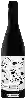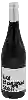
Winery Gregory GuillaumeKoforobé
 Red wine



This wine generally goes well with beef, game (deer, venison) or lamb.

Wine flavors and olphactive analysis



On the nose the Koforobé of Winery Gregory Guillaume in the region of Vin de France often reveals types of flavors of minerality, earth or oak and sometimes also flavors of red fruit.
Food and wine pairings with Koforobé
Pairings that work perfectly with Koforobé



Original food and wine pairings with Koforobé


The Koforobé of Winery Gregory Guillaume matches generally quite well with dishes of beef, lamb or game (deer, venison) such as recipes of chickpeas spanish style, chiche kebab in armenian or duck leg confit in cider.
Details and technical informations about Winery Gregory Guillaume's Koforobé.
Discover the grape variety: Merlot
Round and fleshy reds with a velvety texture, showing aromas of ripe plum, black cherry, cocoa and truffle notes with age. Supple tannins, generous alcohol, indulgent finish. Pillar of Libournais (Pomerol with Pétrus, Saint-Émilion with Cheval Blanc and Ausone) and signature of Super Tuscans, Italian Wales and Washington State. A cross of Cabernet Franc × Magdeleine Noire, France's most planted red variety.
Last vintages of this wine
The best vintages of Koforobé from Winery Gregory Guillaume are 2018, 2016
Informations about the Winery Gregory Guillaume
The Winery Gregory Guillaume is one of of the world's greatest estates. It offers 9 wines for sale in the of Vin de France to come and discover on site or to buy online.

The wine region of Vin de France
The freest category of French wine, the playground of winemakers working outside the AOC. All styles combined: fruity reds, lively or ambitious whites, everyday rosés, unusual blends, natural wines, atypical grapes (Petit Manseng in Languedoc, Riesling in Provence), experimental winemaking (skin-contact whites, no sulphur). Grape and vintage labelling allowed, no geographic constraint. From the pop, convivial cuvée to the artisan gem: freedom in a bottle.
The word of the wine: Deposit
Solid particles that can naturally coat the bottom of a bottle of wine. It is rather a guarantee that the wine has not been mistreated: in fact, to avoid the natural deposit, rather violent processes of filtration or cold passage (- 7 or - 8 °C) are used in order to precipitate the tartar (the small white crystals that some people confuse with crystallized sugar: just taste to dissuade you from it)