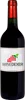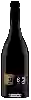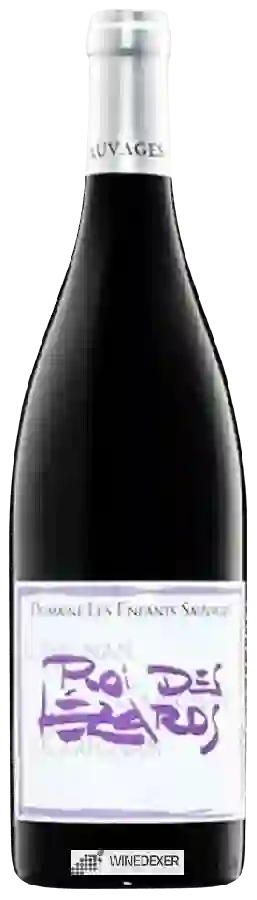
Domaine Les Enfants SauvagesRoi des Lézards
 Red wine


In the mouth this red wine is a powerful with a nice balance between acidity and tannins.
This wine generally goes well with beef, veal or pasta.
The Roi des Lézards of the Domaine Les Enfants Sauvages is in the top 20 of wines of Côtes Catalanes.
Taste structure of the Roi des Lézards from the Domaine Les Enfants Sauvages
Light | Bold | |
Smooth | Tannic | |
Dry | Sweet | |
Soft | Acidic |
In the mouth the Roi des Lézards of Domaine Les Enfants Sauvages in the region of Pays d'Oc is a powerful with a nice balance between acidity and tannins.
Wine flavors and olphactive analysis



On the nose the Roi des Lézards of Domaine Les Enfants Sauvages in the region of Pays d'Oc often reveals types of flavors of blackberry, red fruit or strawberries and sometimes also flavors of raspberry, cranberry or raisin.
Food and wine pairings with Roi des Lézards
Pairings that work perfectly with Roi des Lézards



Original food and wine pairings with Roi des Lézards
The Roi des Lézards of Domaine Les Enfants Sauvages matches generally quite well with dishes of beef, pasta or veal such as recipes of beef with panang curry (red curry), wok of chinese noodles with vegetables or bites of cheese.
Details and technical informations about Domaine Les Enfants Sauvages's Roi des Lézards.
Discover the grape variety: Pineau d'Aunis
The wines produced in the Vendôme region are of excellent quality thanks to an exceptional grape variety: pineau d'aunis. For example, the red wines of the region, with their aromas of ripe red fruit and sweet spices, are a blend of Pineau d'Aunis, Cabernet Franc and Pinot Noir. The Vendôme hillsides are less than 200 km southwest of Paris. Pineau d'Aunis, a vigorous black grape variety, was first cultivated in the 9th century. It is characterized by a late budburst. Moreover, its foliage partially reddens in autumn. Although it is difficult to grow, Pineau d'Aunis is a high-yielding grape variety, producing between 40 and 80 hectolitres per hectare. It produces a wine with low alcohol content, supple, light-coloured and very aromatic. The "Pineau d'Aunis" grape variety is used as a single variety for the production of Coteaux du Vendômois. On the other hand, it is used in blends for Anjou, Rosé d'Anjou, Crémant de vallée de la Loire, Rosé de vallée de la Loire, Saumur, Saumur Champigny, Coteaux du Loir and Touraine. Finally, it is an accessory grape variety for Valençay.
Last vintages of this wine

The best vintages of Roi des Lézards from Domaine Les Enfants Sauvages are 2013, 2011, 2015, 2014 and 2012.
Informations about the Domaine Les Enfants Sauvages
The Domaine Les Enfants Sauvages is one of of the world's greatest estates. It offers 11 wines for sale in the of Côtes Catalanes to come and discover on site or to buy online.

The wine region of Côtes Catalanes
The wine region of Côtes Catalanes is located in the region of Pays d'Oc of Vin de Pays of France. Wineries and vineyards like the Château de l'Ou or the Domaine Department 66 produce mainly wines red, white and pink. The most planted grape varieties in the region of Côtes Catalanes are Mourvèdre, Viognier and Cabernet-Sauvignon, they are then used in wines in blends or as a single variety. On the nose of Côtes Catalanes often reveals types of flavors of grapefruit, saline or pink grapefruit and sometimes also flavors of watermelon, nectarine or wax.
The wine region of Pays d'Oc
Pays d'Oc is the PGI for red, white and rosé wines that are produced over a wide area of the southern coast of France. The PGI catchment area corresponds roughly to the Languedoc-roussillon">Languedoc-Roussillon wine region, one of the largest wine regions in France. The area covers all wines that are not produced under the strict laws that govern AOC-level appellations in the regions: among them, Corbières, Minervois and the Languedoc appellation itself. The Pays d'Oc PGI is arguably the most important in France, producing the majority of the country's PGI wines.
The word of the wine: Faded
Said of a wine that has lost its brilliance and depth. It can also be used to describe the nose of an old wine that has lost its aromatic freshness.