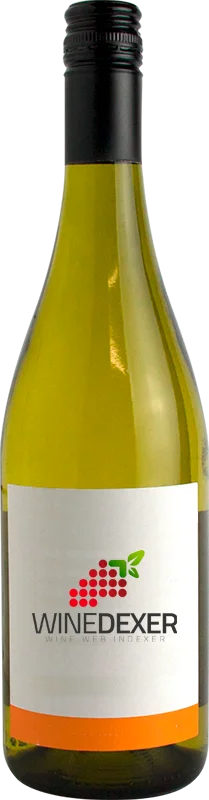
Domaine de CantarelleÉlodie Picpoul
 White wine


In the mouth this white wine is a .
This wine generally goes well with vegetarian, poultry or lean fish.

Taste structure of the Élodie Picpoul from the Domaine de Cantarelle
Light | Bold | |
Dry | Sweet | |
Soft | Acidic |
In the mouth the Élodie Picpoul of Domaine de Cantarelle in the region of Provence is a .
Food and wine pairings with Élodie Picpoul
Pairings that work perfectly with Élodie Picpoul



Original food and wine pairings with Élodie Picpoul


The Élodie Picpoul of Domaine de Cantarelle matches generally quite well with dishes of pasta, vegetarian or poultry such as recipes of tagliatelle with foie gras, quiche lorraine or simple endive gratin with gruyere cheese.
Details and technical informations about Domaine de Cantarelle's Élodie Picpoul.
Discover the grape variety: Juhfark
Structured, lively dry whites with a pale golden colour, a taut, linear palate and very fresh acidity showing mineral (flint), smoky, citrus (lemon), nutty (almond, hazelnut) and white flower notes. Fine ageing potential. The star of great Somló whites, grown on basaltic volcanic soil, whose name means "sheep's tail" in reference to the elongated bunch shape.
Informations about the Domaine de Cantarelle
The Domaine de Cantarelle is one of of the world's great estates. It offers 44 wines for sale in the of Provence to come and discover on site or to buy online.

The wine region of Provence
World capital of dry, refined rosé (~90% of production). Pale rose-petal colour, delicate nose of fresh red fruits (strawberry, raspberry, redcurrant), citrus (pink grapefruit), white flowers and a mineral touch, taut and thirst-quenching palate — the Mediterranean aperitif par excellence. Blends of Grenache, Cinsault, Syrah, Tibouren and Mourvèdre. Fleshy Bandol reds from Mourvèdre (leather, garrigue, age-worthy), straight Cassis whites.
The word of the wine: Final
A more or less lasting impression that is felt in the mouth once the wine has been swallowed (or spat out in the case of a professional tasting). The finish can be short or persistent.