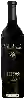
Winery Flying LeapTannat
 Red wine


This wine generally goes well with beef
Wine flavors and olphactive analysis


On the nose the Tannat of Winery Flying Leap in the region of Arizona often reveals types of flavors of non oak, oak or spices.
Food and wine pairings with Tannat
Pairings that work perfectly with Tannat

Original food and wine pairings with Tannat
The Tannat of Winery Flying Leap matches generally quite well with dishes of beef such as recipes of express veal stew in a pressure cooker.
Details and technical informations about Winery Flying Leap's Tannat.
Discover the grape variety: Tannat
Tannat is a red grape variety from Béarn which belongs to the cotoïdes family. Present in several vineyards of France, it occupies nearly 3,000 ha. Its leaves are reddish with tan patches. Its bunches are either of normal size or larger. Its berries have a thin skin and are rounded. Its foliage has a swarthy appearance. This variety must be pruned long because it is vigorous. It likes sandy and gravelly soils. Tannat is often exposed to leafhoppers and mites. It is also somewhat susceptible to grey rot. It has 11 approved clones, including 474, 717 and 794. Once mature, this variety produces acidic, fruity, tannic, acidic and full-bodied wines. Various aromas emerge, notably tobacco, cinnamon and exotic wood. Tannat is rarely used alone. It is combined with iron-servadou to obtain a fruitier taste or with cabernet sauvignon to be more rounded.
Last vintages of this wine
The best vintages of Tannat from Winery Flying Leap are 0
Informations about the Winery Flying Leap
The Winery Flying Leap is one of of the world's greatest estates. It offers 28 wines for sale in the of Arizona to come and discover on site or to buy online.

The wine region of Arizona
Arizona is located in the extreme Southwestern corner of the United States of America, bordered by Mexico to the south and southern California to the west. It covers 300,000 km² (114,000 square miles) between latitudes 31°N and 36°N. The main varieties used to make Arizona wines are Syrah, Viognier, Muscat and, of course, the ubiquitous Cabernet Sauvignon and Zinfandel. They do best in cooler regions, especially in the southwest.
The word of the wine: Tears
Traces left by the wine on the sides of the glass when it is shaken or tilted.