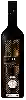
Winery Pago Casa GranCuiro
 Red wine



In the mouth this red wine is a powerful.
This wine generally goes well with poultry, beef or veal.

Taste structure of the Cuiro from the Winery Pago Casa Gran
Light | Bold | |
Smooth | Tannic | |
Dry | Sweet | |
Soft | Acidic |
In the mouth the Cuiro of Winery Pago Casa Gran in the region of Valence is a powerful.
Food and wine pairings with Cuiro
Pairings that work perfectly with Cuiro



Original food and wine pairings with Cuiro

The Cuiro of Winery Pago Casa Gran matches generally quite well with dishes of beef, pasta or veal such as recipes of braised beef with guinness, succulent and easy to make beef lasagna or blanquette of veal.
Details and technical informations about Winery Pago Casa Gran's Cuiro.
Discover the grape variety: Muscaris
Aromatic, expressive dry whites with a pale golden colour and a broad, crisp palate; signature intense muscat aromas (rose, fresh grape), white flowers, exotic fruits (lychee, mango) and citrus. Modern disease-resistant early-ripening profile. Grown in Germany, Switzerland, Belgium and the UK in organic northern vineyards. German white hybrid obtained in 1987 in Freiburg, from Solaris × Muscat à Petits Grains.
Last vintages of this wine
The best vintages of Cuiro from Winery Pago Casa Gran are 2018, 2016, 0
Informations about the Winery Pago Casa Gran
The Winery Pago Casa Gran is one of of the world's great estates. It offers 49 wines for sale in the of Valence to come and discover on site or to buy online.

The wine region of Valence
Sunny Mediterranean Levant, sun-drenched accessible wines. Monastrell (Mourvèdre) star red in Alicante: fleshy and deep with black fruits, garrigue, leather and spice, firm tannins. Round, fruity Bobal from Utiel-Requena, supple Garnacha, juicy Tempranillo. Fresh whites: light Merseguera, aromatic Moscatel (fresh grape, flowers).
The word of the wine: Sweet
Generic term for wines containing residual sugar (natural sugars in the grapes that have not been transformed into alcohol). It is also used to describe a wine with a dominantly sweet flavour, without further explanation.