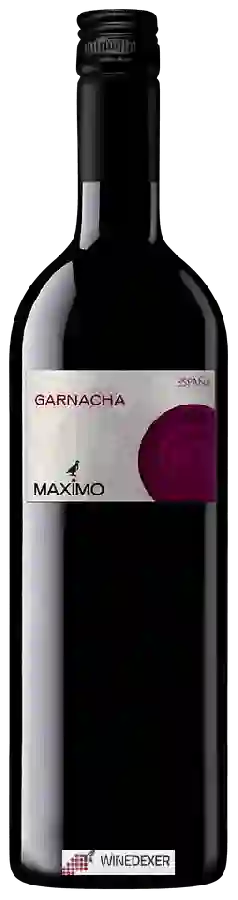
Winery MaximoGarnacha
 Red wine


In the mouth this red wine is a powerful with a nice freshness.
This wine generally goes well with poultry, beef or game (deer, venison).

Taste structure of the Garnacha from the Winery Maximo
Light | Bold | |
Smooth | Tannic | |
Dry | Sweet | |
Soft | Acidic |
In the mouth the Garnacha of Winery Maximo in the region of Vinos de Pago is a powerful with a nice freshness.
Wine flavors and olphactive analysis

On the nose the Garnacha of Winery Maximo in the region of Vinos de Pago often reveals types of flavors of red fruit.
Food and wine pairings with Garnacha
Pairings that work perfectly with Garnacha



Original food and wine pairings with Garnacha


The Garnacha of Winery Maximo matches generally quite well with dishes of beef, pasta or lamb such as recipes of empanadas de carne (argentina), pasta with chicken, peppers and mushrooms or lamb garam massala.
Details and technical informations about Winery Maximo's Garnacha.
Discover the grape variety: Fumé Blanc
Structured, aromatic dry whites oak-aged, with a golden robe, an ample, oaky palate and preserved acidity. Signature aromas of citrus (grapefruit), exotic fruits (passion fruit, mango), white flowers and vanilla, toasty, smoky oak notes. Grown in California (Napa, Sonoma), South Africa and Australia. Commercial name for Sauvignon Blanc popularised by Robert Mondavi in the 1960s for barrel-fermented styles.
Last vintages of this wine

The best vintages of Garnacha from Winery Maximo are 2012, 0, 2013
Informations about the Winery Maximo
The Winery Maximo is one of of the world's great estates. It offers 23 wines for sale in the of Vinos de Pago to come and discover on site or to buy online.

The wine region of Vinos de Pago
Top of the Spanish quality pyramid (above DOCa and DO), reserved for 25 exceptional estates. Estate wines, grapes and vinification exclusively on site, 10 years of track record. All styles: concentrated, barrel-aged Cabernet, Syrah and Tempranillo reds (Dominio de Valdepusa, Arínzano, Pago de Otazu), maker's blends, a few ambitious whites. Great stylistic freedom.
The word of the wine: Castle
A term often used to designate wineries, even if they do not have a real castle.


