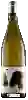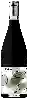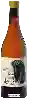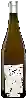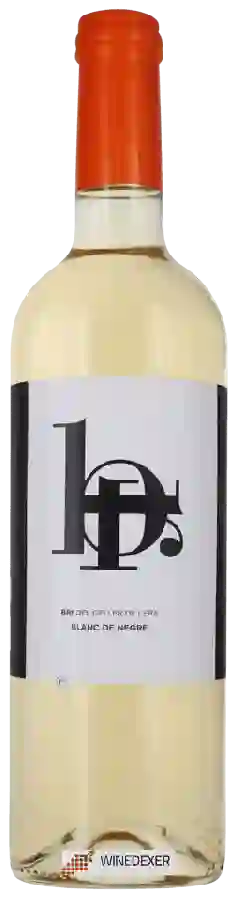
Winery Celler de L'EraBri Blanc de Negre
 White wine



This wine generally goes well with beef and mature and hard cheese.

Food and wine pairings with Bri Blanc de Negre
Pairings that work perfectly with Bri Blanc de Negre


Original food and wine pairings with Bri Blanc de Negre
The Bri Blanc de Negre of Winery Celler de L'Era matches generally quite well with dishes of beef or mature and hard cheese such as recipes of improved horse steak or vegetarian quiche with mushrooms and comté cheese.
Details and technical informations about Winery Celler de L'Era's Bri Blanc de Negre.
Discover the grape variety: Pelaverga
Light, elegant reds with a clear ruby colour, silky tannins and a silky palate, showing intense signature aromas of white pepper (hallmark), spices, red fruits (strawberry, raspberry) and floral notes. Distinctly airy and spiced profile. Absolute star of the Verduno Pelaverga DOC, signature of a confidential Langhe terroir and one of the most distinctive Piedmontese reds. Native Piedmontese black variety grown almost exclusively around Verduno.
Last vintages of this wine
The best vintages of Bri Blanc de Negre from Winery Celler de L'Era are 0, 2017, 2016, 2011
Informations about the Winery Celler de L'Era
The Winery Celler de L'Era is one of of the world's greatest estates. It offers 6 wines for sale in the of Montsant to come and discover on site or to buy online.

The wine region of Montsant
Catalan ring encircling the Priorat (Tarragona): signature Garnacha and Cariñena as king reds — concentrated and sunny with notes of ripe black fruits (blackberry, blackcurrant, plum), garrigue, Mediterranean herbs, liquorice and a mineral touch, fleshy tannins and a moreish finish, more accessible and fruity than Priorat. Syrah and Cabernet as backup. A few whites (Garnacha Blanca, Macabeu). DO (2001), schists ("llicorella") and clay-limestones, Mediterranean-continental climate.
The wine region of Catalogne
Cradle of Cava (~95% of Spanish output, traditional method): Macabeo, Xarel-lo, Parellada trilogy, fine fruity bubble. Quality peak in Priorat DOCa: dense, mineral reds on llicorella (schist), old-vine Garnacha and Cariñena with black fruit, garrigue notes, firm tannins. Also Penedès, fleshy Montsant, sunny Empordà, Costers del Segre. Mediterranean.
The word of the wine: Piqué
Altered wine characterized by a vinegar smell.