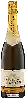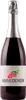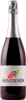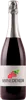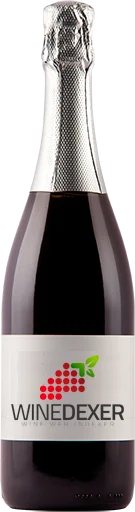
Winery Duca del ValentinoGrand Cuvée Bianco Secco
 Sparkling wine


This wine generally goes well with pork, beef or lamb.

Food and wine pairings with Grand Cuvée Bianco Secco
Pairings that work perfectly with Grand Cuvée Bianco Secco



Original food and wine pairings with Grand Cuvée Bianco Secco

The Grand Cuvée Bianco Secco of Winery Duca del Valentino matches generally quite well with dishes of beef, lamb or pork such as recipes of fondue with broth, lamb biryani or stuffed potatoes.
Details and technical informations about Winery Duca del Valentino's Grand Cuvée Bianco Secco.
Discover the grape variety: Servanin
Supple, fruity reds with a light color, pale ruby robe, smooth tannins and an airy palate with preserved acidity, showing red fruit aromas (cherry, raspberry) and mild alpine spices. Discreet alpine profile. Preserved for its heritage value, it survives in a few heritage alpine plots and belongs to the ancient varieties of the French Alps under study. Black French autochtone variety from Dauphiné and Savoie.
Last vintages of this wine
The best vintages of Grand Cuvée Bianco Secco from Winery Duca del Valentino are 0
Informations about the Winery Duca del Valentino
The Winery Duca del Valentino is one of of the world's greatest estates. It offers 9 wines for sale in the of Emilia-Romagna to come and discover on site or to buy online.

The wine region of Emilia-Romagna
Kingdom of Lambrusco: fresh, fruity sparkling reds (blackberry, cherry, violet), from gourmet dry to convivial off-dry, perfect with local charcuterie. World's best-selling sparkling wine on the Emilia side (Sorbara, Grasparossa, Salamino). East, Romagna: supple fruity Sangiovese, Albana (Italy's 1st white DOCG, 1987) ample and almondy. Also red Gutturnio and white Pignoletto.
The word of the wine: Second fermentation
In the making of champagne, fermentation of the base wine to which is added the liqueur de tirage and which takes place in the bottle. This second fermentation produces the carbon dioxide, and therefore the bubbles that make up the effervescence of the wine.