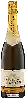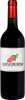
Winery Duca del ValentinoLambrusco di Sorbara Secco
 wine
wine
This wine generally goes well with
The Lambrusco di Sorbara Secco of the Winery Duca del Valentino is in the top 0 of wines of Lambrusco di Sorbara.

Details and technical informations about Winery Duca del Valentino's Lambrusco di Sorbara Secco.
Discover the grape variety: Touriga nacional
Deep, concentrated reds with a near-black robe, firm but polished tannins, showing aromas of blackberry, blackcurrant, violet, bergamot, liquorice, black pepper and characteristic floral notes. Pillar of great vintage Ports (Quinta do Noval, Taylor's) and signature of modern dry Douro DOC and Dão DOC. Also exported to Australia and California. Portugal's most noble variety.
Informations about the Winery Duca del Valentino
The Winery Duca del Valentino is one of of the world's greatest estates. It offers 9 wines for sale in the of Lambrusco di Sorbara to come and discover on site or to buy online.

The wine region of Lambrusco di Sorbara
The finest and most elegant Lambrusco in Emilia-Romagna, north of Modena. Signature pale red or rosé sparklers with wild strawberry, raspberry, red cherry, redcurrant, citrus and floral touch (violet), fine bubble and lively acidity — dry (brut) or slightly amabile. Fertile sandy-clay soils between the Secchia and Panaro rivers, natural millerandage concentrates the berries. Fresh and thirst-quenching palate — ideal aperitif or companion for Modena charcuterie.
The wine region of Emilia-Romagna
Kingdom of Lambrusco: fresh, fruity sparkling reds (blackberry, cherry, violet), from gourmet dry to convivial off-dry, perfect with local charcuterie. World's best-selling sparkling wine on the Emilia side (Sorbara, Grasparossa, Salamino). East, Romagna: supple fruity Sangiovese, Albana (Italy's 1st white DOCG, 1987) ample and almondy. Also red Gutturnio and white Pignoletto.
The word of the wine: Solera
A method of maturing practiced in Andalusia for certain sherries, which aims to continuously blend older and younger wines. It consists of stacking several layers of barrels; those located at ground level (solera) contain the oldest wines, the youngest being stored in the barrels on the upper level. The wine to be bottled is taken from the barrels on the lower level, which is replaced by younger wine from the upper level, and so on.