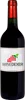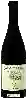
Domaine SibilleSyrah
 Red wine



In the mouth this red wine is a powerful with a nice balance between acidity and tannins.
This wine generally goes well with beef, veal or pasta.

Taste structure of the Syrah from the Domaine Sibille
Light | Bold | |
Smooth | Tannic | |
Dry | Sweet | |
Soft | Acidic |
In the mouth the Syrah of Domaine Sibille in the region of Languedoc-Roussillon is a powerful with a nice balance between acidity and tannins.
Food and wine pairings with Syrah
Pairings that work perfectly with Syrah



Original food and wine pairings with Syrah
The Syrah of Domaine Sibille matches generally quite well with dishes of beef, pasta or veal such as recipes of beef bobotie, quiche with mixed vegetables or potjevleesch (meat in a pot).
Details and technical informations about Domaine Sibille's Syrah.
Discover the grape variety: Ravat 34
Simple, dry and fresh whites with a pale golden robe, supple palate and moderate acidity; undemanding aromas of citrus and white flowers. Productive and disease-resistant. Grown in small quantities in France and Canada (Quebec) for vineyards with harsh continental climates. French white hybrid bred by Jean-François Ravat in the early 20th century, part of the historic post-phylloxera French hybridisations.
Last vintages of this wine
The best vintages of Syrah from Domaine Sibille are 2017, 2016
Informations about the Domaine Sibille
The Domaine Sibille is one of of the world's greatest estates. It offers 15 wines for sale in the of Languedoc-Roussillon to come and discover on site or to buy online.

The wine region of Languedoc-Roussillon
Largest single French vineyard, dominated by sunny, generous reds. Spicy Syrah, candied Grenache (ripe fruit, garrigue), structured Carignan, deep Mourvèdre, supple Cinsault. Stars: structured Corbières, Minervois, Faugères, Saint-Chinian; round Côtes-du-Roussillon. Legendary vins doux naturels: Banyuls and Maury (fortified Grenache) with notes of cocoa, fig, prune.
The word of the wine: Rosé (champagne)
Unique rosé wine made by blending white wine with a small amount of red Champagne. It is however possible to vinify the must directly into rosé.