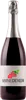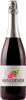
Winery Schmidt Am BodenseeCuvée Zwiegelt - Spätburgunder
 Red wine



In the mouth this red wine is a with a nice freshness.
This wine generally goes well with poultry, beef or veal.

Taste structure of the Cuvée Zwiegelt - Spätburgunder from the Winery Schmidt Am Bodensee
Light | Bold | |
Smooth | Tannic | |
Dry | Sweet | |
Soft | Acidic |
In the mouth the Cuvée Zwiegelt - Spätburgunder of Winery Schmidt Am Bodensee in the region of Württemberg is a with a nice freshness.
Wine flavors and olphactive analysis



On the nose the Cuvée Zwiegelt - Spätburgunder of Winery Schmidt Am Bodensee in the region of Württemberg often reveals types of flavors of black fruit.
Food and wine pairings with Cuvée Zwiegelt - Spätburgunder
Pairings that work perfectly with Cuvée Zwiegelt - Spätburgunder



Original food and wine pairings with Cuvée Zwiegelt - Spätburgunder

The Cuvée Zwiegelt - Spätburgunder of Winery Schmidt Am Bodensee matches generally quite well with dishes of beef, veal or game (deer, venison) such as recipes of spanish stew (cocido), rabbit with hunter's sauce or grandma melanie's cassoulet.
Details and technical informations about Winery Schmidt Am Bodensee's Cuvée Zwiegelt - Spätburgunder.
Discover the grape variety: Zweigelt
Supple and fruity reds with a vivid ruby colour, soft tannins and snappy acidity, with aromas of sour cherry, raspberry, red plum and gentle spices. Made as easy-drinking young reds and as more structured, oak-aged cellar wines. The most planted red variety in Austria (Burgenland, Carnuntum, Neusiedlersee), created in 1922 by Friedrich Zweigelt in Klosterneuburg, a cross of saint laurent × blaufränkisch.
Last vintages of this wine
The best vintages of Cuvée Zwiegelt - Spätburgunder from Winery Schmidt Am Bodensee are 0
Informations about the Winery Schmidt Am Bodensee
The Winery Schmidt Am Bodensee is one of of the world's great estates. It offers 19 wines for sale in the of Württemberg to come and discover on site or to buy online.

The wine region of Württemberg
Rare predominantly red region in Germany (nearly 70%). Supple, fruity everyday reds: light, crisp Trollinger (Schiava) with red fruits, more structured, spicy, deep Lemberger (Blaufränkisch), generous Schwarzriesling (Pinot Meunier). Riesling king of whites (>2,000 ha), lively and mineral, citrus and green apple. Germany's 4th region (11,500 ha) on the Neckar slopes around Heilbronn and Stuttgart.
The word of the wine: Seeds
A maximum of four, located in the heart of the grape berry, they contain tannins and nitrogenous matter.