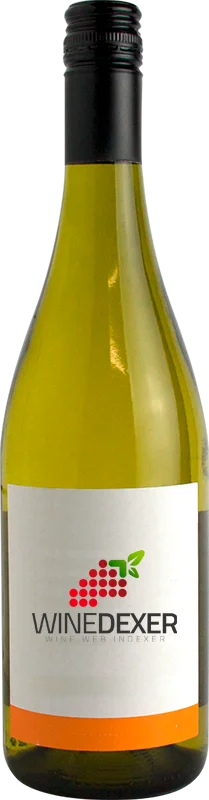
Domaine Saint-SébasteGewürztraminer
 White wine
This wine generally goes well with poultry, rich fish (salmon, tuna etc) or mild and soft cheese.

Food and wine pairings with Gewürztraminer
Pairings that work perfectly with Gewürztraminer



Original food and wine pairings with Gewürztraminer


The Gewürztraminer of Domaine Saint-Sébaste matches generally quite well with dishes of rich fish (salmon, tuna etc), spicy food or sweet desserts such as recipes of pan bagnat, genuine chicken tagine olive and lemon confit tagine with argan oil or french toast.
Details and technical informations about Domaine Saint-Sébaste's Gewürztraminer.
Discover the grape variety: Gewurztraminer
Full-bodied, exotic whites, rich and heady, with moderate acidity, showing opulent aromas of lychee, rose, mango, ginger, pink grapefruit and gentle spice. Made as aromatic dry, moelleux late-harvest and liquorous sélection de grains nobles. Star of Alsace AOC (one of the four noble varieties) and signature of Alto Adige (Tramin), Palatinate and Germany. A pink mutation of Traminer.
Informations about the Domaine Saint-Sébaste
The Domaine Saint-Sébaste is one of of the world's great estates. It offers 26 wines for sale in the of Neuchâtel to come and discover on site or to buy online.

The wine region of Neuchâtel
Swiss vineyard on the western shore of the lake, 606 ha in the Three Lakes region. Signature Pinot Noir (55% of the vineyard, the local prince): fine, fresh reds with notes of cherry, raspberry, undergrowth and sweet spices, silky tannins. Specialty invented here: Œil-de-Perdrix, a delicate Pinot Noir rosé with salmon hues. Lively, mineral Chasselas (citrus, flint) in white, including the identity-marking Non-Filtré primeur.
The word of the wine: Leaflet
Small barrel with a capacity of 112 to 136 litres depending on the region.