The Domaine Montahuc of Minervois of Languedoc-Roussillon
The Domaine Montahuc is one of the best wineries to follow in Minervois.. It offers 7 wines for sale in of Minervois to come and discover on site or to buy online.
Looking for the best Domaine Montahuc wines in Minervois among all the wines in the region? Check out our tops of the best red, white or effervescent Domaine Montahuc wines. Also find some food and wine pairings that may be suitable with the wines from this area. Learn more about the region and the Domaine Montahuc wines with technical and enological descriptions.
How Domaine Montahuc wines pair with each other generally quite well with dishes of mature and hard cheese, blue cheese or aperitif such as recipes of sunday night ham and cheese sandwich by fred, endives with ham and roquefort sauce or toast with foie gras and gingerbread.
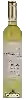
In the mouth the natural sweet wine of Domaine Montahuc. is a powerful mainly marked by the residual sugar.
Minervois is an appellation for distinctive red wines from the western Languedoc region of France. In general, they are softer than those produced in the Corbières, just to the South. The Minervois appellation also covers rosé and white wines. The predominant Grape varieties used in AOC Minervois wines are Grenache, Syrah and Mourvèdre.
Together with the rarer Lledoner Pelut (or Lladoner Pelut), they must make up at least 60% of the blend. Carignan and Cinsaut are Part of the supporting wines that can represent 40% of the blend. The white wines of the appellation vary considerably in quality and style. They are made from the grape varieties Vermentino, Roussanne, Marsanne, Bourboulenc and Grenache Blanc.
How Domaine Montahuc wines pair with each other generally quite well with dishes of beef, pasta or veal such as recipes of beef with panang curry (red curry), spaghetti with clams or stuffed squid in the sétoise sauce.
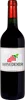
In the mouth the red wine of Domaine Montahuc. is a powerful with a nice balance between acidity and tannins.
The vermentino grape variety was widespread in Italy, Sardinia and Corsica. Today, Vermentino is grown in the regions bordering the Mediterranean, mainly in Provence (Côtes de Provence, Bellet), Corsica (Corse Calvi), Languedoc (Côtes du Roussillon, Costières de Nîmes) and the Rhône Valley (Côtes du Luberon). Because it ripens late, Vermentino requires a warm climate for its development and can only be grown in regions with good sun exposure. Conversely, cold or temperate climates do not allow it to ripen properly. Vermentino is only susceptible to powdery mildew. When vinified on its own, Vermentino produces a single-variety dry white wine that is light and full-bodied with a pale yellow color. It can also be blended with other grape varieties such as Ugni Blanc, Cinsault and Grenache, in which case its low acidity makes it light and fresh. Vermentino belongs to the grape varieties of Ajaccio, Corsica and Corbières. The aromas released by this variety are multiple. One can detect notes of fresh apple, green almond, sweet spices, hawthorn, ripe pear and fresh pineapple.
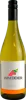
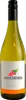
How Domaine Montahuc wines pair with each other generally quite well with dishes of pasta, vegetarian or poultry such as recipes of smoked salmon pasta gratin, quiche without eggs or royal couscous.
A term whose meaning varies according to the region (terroir or estate), but which everywhere contains the idea of identifying a wine with a specific place of production.
Planning a wine route in the of Minervois? Here are the wineries to visit and the winemakers to meet during your trip in search of wines similar to Domaine Montahuc.
White muscat is a white grape variety of Greek origin. Present in several Mediterranean vineyards, it has several synonyms such as muscat de Die, muscat blanc and frontignac. In France, it occupies a little less than 7,000 ha out of a total of 45,000 ha worldwide. Its young shoots are downy. Its youngest leaves are shiny, bronzed and scabrous. The berries and bunches of this variety are all medium-sized. The flesh of the berries is juicy, sweet and firm. Muscat à petits grains has a second ripening period and buds early in the year. It is moderately vigorous and must be pruned short. It likes poor, stony slopes. This variety is often exposed to spring frosts. It fears mildew, wasps, grape worms, court-noué, grey rot and powdery mildew. Muscat à petits grains is used to make rosé wines and dry white wines. Orange, brown sugar, barley sugar and raisins are the known aromas of these wines.