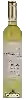
Domaine MontahucLe Muscat de Chemin du Chene Doux Naturel
 Natural sweet wine


In the mouth this natural sweet wine is a powerful mainly marked by the residual sugar.
This wine generally goes well with blue cheese, mature and hard cheese or spicy food.
Taste structure of the Le Muscat de Chemin du Chene Doux Naturel from the Domaine Montahuc
Light | Bold | |
Dry | Sweet | |
Soft | Acidic |
In the mouth the Le Muscat de Chemin du Chene Doux Naturel of Domaine Montahuc in the region of Languedoc-Roussillon is a powerful mainly marked by the residual sugar.
Food and wine pairings with Le Muscat de Chemin du Chene Doux Naturel
Pairings that work perfectly with Le Muscat de Chemin du Chene Doux Naturel



Original food and wine pairings with Le Muscat de Chemin du Chene Doux Naturel


The Le Muscat de Chemin du Chene Doux Naturel of Domaine Montahuc matches generally quite well with dishes of mature and hard cheese, blue cheese or aperitif such as recipes of mushrooms stuffed with tomme and rosemary, chicken cutlets with roquefort cheese or delicious moroccan fritters.
Details and technical informations about Domaine Montahuc's Le Muscat de Chemin du Chene Doux Naturel.
Discover the grape variety: White muscat
White muscat is a white grape variety of Greek origin. Present in several Mediterranean vineyards, it has several synonyms such as muscat de Die, muscat blanc and frontignac. In France, it occupies a little less than 7,000 ha out of a total of 45,000 ha worldwide. Its young shoots are downy. Its youngest leaves are shiny, bronzed and scabrous. The berries and bunches of this variety are all medium-sized. The flesh of the berries is juicy, sweet and firm. Muscat à petits grains has a second ripening period and buds early in the year. It is moderately vigorous and must be pruned short. It likes poor, stony slopes. This variety is often exposed to spring frosts. It fears mildew, wasps, grape worms, court-noué, grey rot and powdery mildew. Muscat à petits grains is used to make rosé wines and dry white wines. Orange, brown sugar, barley sugar and raisins are the known aromas of these wines.
Last vintages of this wine
The best vintages of Le Muscat de Chemin du Chene Doux Naturel from Domaine Montahuc are 0
Informations about the Domaine Montahuc
The Domaine Montahuc is one of of the world's greatest estates. It offers 8 wines for sale in the of Muscat de St. Jean de Minervois to come and discover on site or to buy online.

The wine region of Muscat de St. Jean de Minervois
Muscat de Saint-Jean-de-Minervois is a Sweet, fortified, natural wine appellation from the Languedoc wine region in Southern France. The wines are based on the Muscat Blanc a Petits Grains Grape variety. Muscat de Saint-Jean-de-Minervois wines are produced using a traditional sweet winemaking process called Mutage, which involves adding Alcohol to the grape must to prematurely stop the Yeast">yeast and thus the Fermentation process. They generally have a residual sugar content of about 125 grams per litre and an alcohol content of about 15%.
The wine region of Languedoc-Roussillon
Languedoc (formerly Coteaux du Languedoc) is a key appellation used in the Languedoc-Roussillon wine region of southern France. It covers Dry table wines of all three colors (red, white and rosé) from the entire region, but leaves Sweet and Sparkling wines to other more specialized appellations. About 75% of all Languedoc wines are red, with the remaining 25% split roughly down the middle between whites and rosés. The appellation covers most of the Languedoc region and almost a third of all the vineyards in France.
The word of the wine: Bouchy
See cabernet franc.