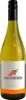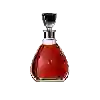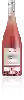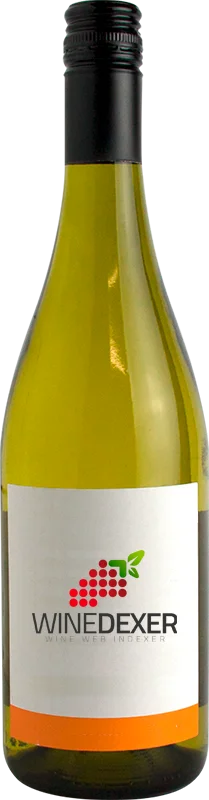
Domaine Manya PuigBanyuls Vin Doux Naturel Rosé
 Natural sweet wine
This wine generally goes well with beef and mature and hard cheese.
Food and wine pairings with Banyuls Vin Doux Naturel Rosé
Pairings that work perfectly with Banyuls Vin Doux Naturel Rosé


Original food and wine pairings with Banyuls Vin Doux Naturel Rosé
The Banyuls Vin Doux Naturel Rosé of Domaine Manya Puig matches generally quite well with dishes of beef or mature and hard cheese such as recipes of pasticcio (greece) or tomato and comté pie.
Details and technical informations about Domaine Manya Puig's Banyuls Vin Doux Naturel Rosé.
Discover the grape variety: Jacquère
Jacquère is the most widespread grape variety in Savoie. It has medium-sized bunches that are cylindrical-conical. They are compact and often winged. The berries are medium-sized and can be slightly elongated or spherical, with thick skins that turn from yellowish green to golden yellow to a slightly pinkish hue when fully ripe. The soft flesh of the fruit of this variety is tart but not very juicy. Jacquère has a budding process almost identical to that of Chasselas. With a semi-erect growth habit, this white variety is vigorous and fertile, and should be pruned short to be more productive. It thrives on clay-limestone soils as well as on stony scree. Grey rot and black rot are the main enemies of Jaquère. It can cope with oidium and mildew. This variety produces a light, pale, acidic and lively wine with a floral aroma. It should be consumed quickly.
Informations about the Domaine Manya Puig
The Domaine Manya Puig is one of of the world's great estates. It offers 13 wines for sale in the of Banyuls to come and discover on site or to buy online.

The wine region of Banyuls
Banyuls wines come from the South-eastern Part of Roussillon, in the south of France, in the lower Pyrenees, a few kilometres from the Spanish border. These naturally Sweet wines are consumed both as an aperitif and as a dessert. They come in a wide range of hues, from GoldenGreen (Banyuls Blanc) to Amber (Banyuls Ambré) to the intense garnet of the standard Banyuls Rouge. Unusually among the natural sweet wines of France, all Banyuls wines are made primarily from Grenache grapes of various colors.
The wine region of Languedoc-Roussillon
Languedoc (formerly Coteaux du Languedoc) is a key appellation used in the Languedoc-Roussillon wine region of southern France. It covers Dry table wines of all three colors (red, white and rosé) from the entire region, but leaves Sweet and Sparkling wines to other more specialized appellations. About 75% of all Languedoc wines are red, with the remaining 25% split roughly down the middle between whites and rosés. The appellation covers most of the Languedoc region and almost a third of all the vineyards in France.
The word of the wine: Amylic
Aroma reminiscent of banana, candy, and sometimes nail polish, particularly present in primeur wines. The amylic taste is reminiscent of the aromas of industrial confectionery and does not reflect a great expression of terroir.